Why Screenplay Format for Independent Filmmakers Still Shapes Trust, Funding, and Creative Momentum
by Carole Dean
Every filmmaker knows the feeling: your script is finished, the story feels alive—and yet something makes you hesitate before hitting “send.”
Not because the story isn’t strong.
But because you’re wondering how it will be received.

As access expands and gatekeepers shift, clarity, professionalism, and coherence matter more—not less. The script is still the first handshake. The first impression. The invitation into your world.
That’s why this conversation on The Art of Film Funding podcast with Christopher Riley felt so essential. It wasn’t about rules for rules’ sake. It was about trust—how it’s built, how it’s broken, and how filmmakers can protect their creative vision by mastering the language of the industry.
Why These Lessons Carry Authority
Christopher Riley’s perspective is grounded in lived experience. Early in his career, he worked in the script processing department at Warner Bros., proofreading scripts in development and production for executives, casts, and crews.
“As a result,” Chris shared, “I accidentally learned way more about script format than any person should know.”
That accidental expertise eventually became The Hollywood Standard, now celebrating over 20 years as a definitive reference for screenwriters worldwide. But what struck me most wasn’t the longevity of the book—it was the reason it exists at all.
“There was no comprehensive, up-to-date reference,” he explained. “And I realized that writers were being judged on things they were never properly taught.”
As someone who has spent decades raising money for filmmakers, I’ve heard versions of the same heartbreak again and again: My script was rejected because the format was wrong. The frustration isn’t that standards exist—it’s that no one explained why they matter.
Format Is Not Decoration—It’s Communication
Chris used a metaphor that landed immediately.
“If you show up for the most important job interview of your life in pajamas,” he said, “there’s no way that doesn’t affect perception.”
Format works the same way. It is not about impressing. It is about signaling competence.
For independent filmmakers—who are often writers, producers, directors, and fundraisers all at once—this matters deeply. The script must communicate professionalism before the story ever has a chance to speak.
“Format plays a role one hundred percent of the time,” Chris said. “It creates the expectation that this screenplay is written by a professional.”
That expectation buys the writer something invaluable: attention.
Why This Matters Even More for Indie Filmmakers
Independent filmmakers are constantly assembling teams—actors, producers, cinematographers, financiers. Long before a single frame is shot, the script carries the entire weight of the film’s promise.
“The screenplay is the thing that creates the magic of the film,” Chris explained. “Professional industry-standard format allows all of us to have a common understanding of what vision we’re creating.”
Without that shared language, energy is lost. Writers begin second-guessing themselves. Readers stumble. Momentum slows.
And in fundraising, friction is fatal.
“If a reader has to page backward because something is unclear,” Chris said, “that is death. You want to remove every speed bump that can get in the way.”
Common Mistakes That Undermine Strong Stories
One of the most generous parts of the conversation was Chris’s clarity about what not to do.
The most common mistake? Overwriting.
“Screenwriting is all about economy of language,” he said. “If you can say something in three words instead of five, three words is always better.”
Other pitfalls include directing on the page—overusing shot headings, micromanaging performance, or cluttering dialogue with unnecessary parentheticals.
“There are far more interesting things for screenwriters to think about,” Chris noted, “like characters and story.”
Format, when understood properly, frees the writer. It creates a container strong enough to hold the wine without spilling it.
Subtext, Trust, and the Intelligence of the Audience
One of my favorite moments in the conversation came when we discussed subtext—the quiet power of what’s not said.
“Subtext gives the audience something to do,” Chris explained. “It trusts the audience to work out the puzzle.”
That trust creates engagement. Pleasure. Meaning.
And it mirrors how humans actually communicate. We rarely say exactly what we mean. We protect ourselves. We circle. We hint. Good writing reflects that truth—and format helps make it legible.
Why Investors Care (Even If They Don’t Know They Do)
From a funding perspective, this insight is critical.
“If I’m an investor,” Chris said, “I want to know I’m investing in someone who knows what they’re doing.”
A clean, professional script signals readiness. It removes friction. It allows the reader to enter what Chris described as a “dreamlike state”—the experience of living inside the movie.
“The last thing I want to do as a writer,” he said, “is wake the dreamer.”
Format as Craft, Not Chore
After teaching screenwriting for more than two decades, Chris has seen both resistance and revelation.
“Format by itself doesn’t weave the magic spell,” he said. “Format is the container. We still have to put the wine in the bottle.”
He compared screenwriting to architecture—part engineering, part art. The rules prevent collapse. The artistry creates beauty.
“When those two work together,” he said, “format becomes a tool of expression, not a limitation.”
Practical Takeaways Filmmakers Can Use Now
For filmmakers reading this, here are a few grounded applications you can act on immediately:
- Treat format as part of your voice, not separate from it
- Edit for momentum, not just correctness
- Use white space intentionally to control pacing
- Trust collaborators—leave room for actors and directors to contribute
- Remove friction relentlessly—every word must earn its place
As Chris said simply:
“Make every word pull its weight—or throw it overboard.”
The Deeper Lesson
After twenty years of The Hollywood Standard, Chris distilled his purpose clearly.
“I want writers’ ideas to be taken seriously,” he said. “I want their vision to be understood.”
That, ultimately, is what this conversation offered—not rules, but respect. Respect for the reader. Respect for the craft. Respect for the human beings behind the story.
And for independent filmmakers navigating a complex, shifting industry, that respect begins on the page.
Moving Forward with Confidence
Independent filmmaking is a long game. Sustainability comes from alignment—between vision and execution, creativity and clarity, heart and craft.
When you master the language of the industry, you don’t dilute your voice. You protect it.
And that protection allows your story—the human truth at its center—to reach the people who are ready to hear it.
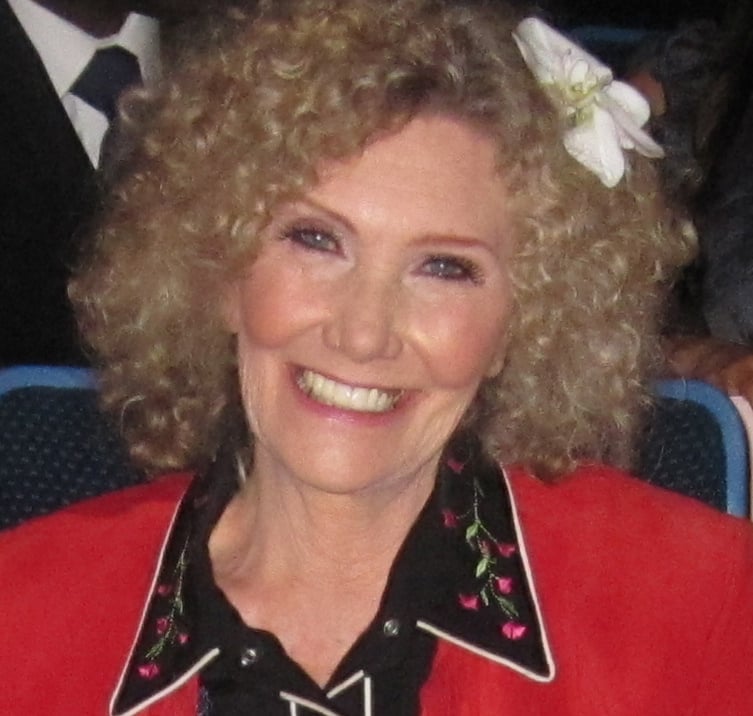
Carole Dean is president and founder of From the Heart Productions; a 501(c)3 non-profit that offers the Roy W. Dean Film Grants and fiscal sponsorship for independent filmmakers.
She is creator and instructor of Learn Producing: The Ultimate Course for Indie Film Production. Essential classes for indie filmmakers on how to produce their films.
She hosts the weekly podcast, The Art of Film Funding, interviewing those involved in all aspects of indie film production. She is also the author of The Art of Film Funding, 2nd Edition: Alternative Financing Concepts. See IMDB for producing credits