What The Crowdfunding Queen™ Teaches About Trust, Community, and Sustainable Film Funding
by Carole Dean
Most filmmakers don’t fail at crowdfunding because of the platform. They fail because they misunderstand what crowdfunding actually is.
Crowdfunding for independent filmmakers is not a digital tool. It’s a relationship strategy.
In today’s independent film landscape, crowdfunding is often misunderstood as a digital solution—a platform, a link, a campaign page. But what this moment really calls for is something far more human: relationship, clarity, and consistency.
About The Crowdfunding Queen™
What struck me most was not the scale of her fundraising, but the method behind it.
Her most recent success—raising tens of thousands of dollars in just weeks for a technical update—was not the result of a new platform or a clever email blast. It was the result of trust built over time.
Mindset: Crowdfunding Begins Long Before You Ask
One of the most important reframes The Crowdfunding Queen offered was this: crowdfunding does not begin when you launch a campaign. It begins when you decide to build a community.
“Without building the crowd, you have no funding,” she said simply.
Too often, filmmakers approach crowdfunding backwards. They decide how much money they need and then look at how many people they know. But successful fundraising works the other way around. You start by understanding who your people are, what they care about, and why your project matters to them.
This requires patience and intention. As The Crowdfunding Queen™ noted, building a meaningful crowd can take months—or even a year—but that investment pays dividends far beyond a single film.
Energy and Resistance: Why Emails Don’t Raise Money
One of the most revealing moments in our conversation came when The Crowdfunding Queen™ shared a surprising statistic. After sending multiple emails about her campaign, she raised only $70. The real funding came later—through phone calls and direct conversations.
“The asking doesn’t really happen online,” she said. “You need to pick up the phone. You need to have meetings.”
This is where resistance often shows up for filmmakers. Asking directly can feel uncomfortable. Vulnerable. Personal. But fundraising is not about convincing strangers—it is about inviting people who already care to stand with you.
The energy behind the ask matters. When the relationship is real, the conversation becomes collaborative rather than transactional.
Identity: You Are the Platform
“You are the creator,” she said. “People follow you—not just one film.”
Your body of work, your values, your consistency—that is what builds trust over time. When funders feel respected and included, they don’t just support one project. They stay with you.
This long-term view is essential for sustainability. Independent filmmaking is rarely a one-campaign journey. It is a practice.
Consistency: The Rule of Seven
“These don’t have to be aggressive,” she explained. “They just have to be real.”
A phone call.
A thank-you card.
A follow-up email.
An in-person meeting.
What matters is that the contact is thoughtful and spaced over time. This is not marketing noise. It is relationship maintenance.
In an age where most communication is disposable, handwritten notes and personal outreach stand out precisely because they are rare.
What Actually Moves Funding Forward
Here are several grounded takeaways filmmakers can put into practice immediately:
-
- Build your crowd before you need money, even if it’s 30 minutes a day
-
- Know your numbers—contacts matter as much as budget
-
- Secure verbal or written commitments before launching a campaign
-
- Ask directly and respectfully, ideally face-to-face or via video
-
- Keep your audience connected to you, not just one project
-
- Think strategically, combining crowdfunding with fiscal sponsorship, partners, or phased goals
As The Crowdfunding Queen put it, “I’m a consultant, not a magician.” Funding works best when strategy meets reality.
Sustainability: Choosing the Long View
Perhaps the most grounding insight from this conversation was The Crowdfunding Queen™’s insistence on realism—not limitation, but alignment.
“You either build the crowd,” she said, “or you reduce the budget.”
That clarity is a gift. It allows filmmakers to make informed choices rather than chasing impossible timelines or burning out their personal networks.
Independent filmmaking is not about force. It is about alignment—between your goals, your resources, and your relationships.
Moving Forward with Trust
Crowdfunding is not a shortcut. It is a mirror. It reflects how well you know your audience, how clearly you communicate your purpose, and how consistently you show up.
The good news is that none of this requires celebrity, wealth, or special access. It requires intention, patience, and courage.
When filmmakers choose to build relationships instead of chasing platforms, they don’t just raise money—they build a sustainable creative life.
And that, ultimately, is the kind of future worth funding.
You can reach The Crowdfunding Queen™ at www.TheCrowdfundingQueen.com
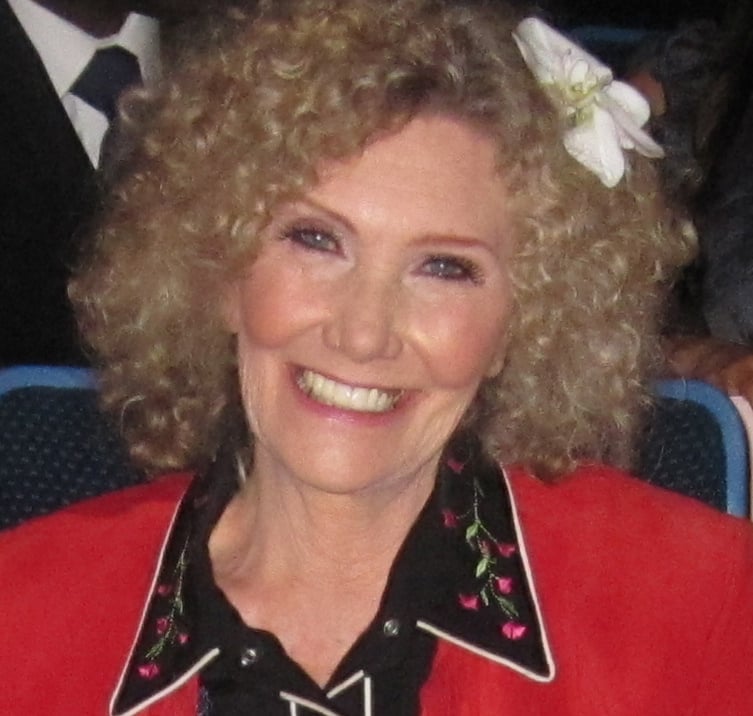
Carole Dean is president and founder of From the Heart Productions; a 501(c)3 non-profit that offers the Roy W. Dean Film Grants and fiscal sponsorship for independent filmmakers.
She is creator and instructor of Learn Producing: The Ultimate Course for Indie Film Production. Essential classes for indie filmmakers on how to produce their films.
She hosts the weekly podcast, The Art of Film Funding, interviewing those involved in all aspects of indie film production. She is also the author of The Art of Film Funding, 2nd Edition: Alternative Financing Concepts. See IMDB for producing credits