How AI filmmaking for independent filmmakers is helping them adapt to industry change build audiences and create lasting success
by Carole Dean
There is a moment we are in right now that feels both uncertain and full of possibility.
The systems that filmmakers relied on for decades—studio financing, traditional distribution, even theatrical exhibition—are shifting beneath our feet. At the same time, new tools, new platforms, and new ways of reaching audiences are opening faster than ever before.
This is not a collapse. It is a recalibration.
And the filmmakers who understand this will not just survive—they will thrive.

A Conversation About What’s Changing
In a recent episode of The Art of Film Funding Podcast, I sat down with filmmaker Jonathon Smith to explore what is really happening in the industry right now—and what it means for independent filmmakers.
As my podcast moderator Claire Papan so beautifully framed it:
“Independent filmmakers are standing at a fascinating crossroads… Where do we fit in this new landscape?”
Jonathon brings both a creative and strategic lens to this question. And what emerged from our conversation is clear: the future belongs to filmmakers who are willing to adapt, learn, and think differently.
The Studio System Is Shifting—And That Changes Everything
For years, filmmakers looked to studios as the ultimate goal: development, financing, production, and distribution all under one roof.
But that model is changing.
Jonathon shared a powerful observation:
“What we’re seeing the studio system going towards is… major studios just simply sell and get out of the business.”
Why? Because the traditional model is no longer as profitable or sustainable as it once was.
Studios are now more interested in intellectual property—characters, worlds, and brands that can extend across platforms—than in taking risks on original films.
For independent filmmakers, this creates both opportunity and responsibility.
The opportunity: lower barriers to entry and more tools than ever before.
The responsibility: you must now take ownership of your film’s entire lifecycle.
The Real Challenge: Not Making the Film—Getting It Seen
One of the most important truths Jonathon shared is this:
“The challenge isn’t going to be just making the film. The challenge is going to be… how do people see it with so much noise in the marketplace?”
We are no longer in a world where a distributor handles everything after delivery.
Today, filmmakers must think like marketers, strategists, and community builders.
That means:
- Building an audience before the film is finished
- Engaging consistently with that audience
- Understanding where your viewers live and how they consume content
As I’ve seen firsthand, distributors are now asking: Who is your audience? How many people are already following you?
This is not a trend. It is the new foundation.
Financing Has Changed—And So Must Your Approach
One of the more sobering insights from our conversation is that studio financing is becoming increasingly difficult to access.
Even established creators are struggling.
“It doesn’t really matter who you are… it’s difficult to get financing for your film.”
For independent filmmakers, this means:
- You must think beyond traditional funding sources
- You must align your budget with realistic revenue potential
- You must consider distribution before you begin production
Jonathon shared a real-world example of a $3 million film that failed to sell, leaving investors significantly in the red.
This is not meant to discourage you—it is meant to ground you.
Smart filmmaking today is strategic filmmaking.
AI: A Tool, A Shift, and a New Creative Partner
Artificial intelligence is one of the most talked-about—and misunderstood—developments in filmmaking.
Is it a threat? A tool? Both?
Jonathon’s answer is clear:
“Both.”
AI is not replacing filmmakers—but it is changing how films are made.
It allows you to:
- Brainstorm scripts more effectively
- Conduct research in minutes instead of days
- Reduce production costs
- Work faster and more efficiently
Jonathon described using AI as a creative partner:
“It was one of the best brainstorming partners I’ve ever had… it helped me break some barriers.”
At the same time, it is also reshaping the workforce.
Instead of replacing top creatives, it is compressing roles—asking individuals to do more with fewer resources.
This means one thing:
You must learn these tools.
Not perfectly. But consistently.
The Rise of the Filmmaker as a “Story and Marketing Machine”
Perhaps the most profound shift we discussed is this:
“You’re going to be your own story and marketing machine.”
This is where many filmmakers feel resistance.
“I just want to create.”
But today, creation and connection are inseparable.
Audiences don’t just follow films—they follow people.
They follow voices. Perspectives. Journeys.
And as Jonathon said:
“People are going to want to follow people… and feel like they belong.”
This is not about self-promotion.
It is about building a relationship with your audience over time.
Thinking Like an Entrepreneur (Without Losing Your Creativity)
One of the most valuable insights from this conversation is the need to think in systems.
Jonathon explained,
“The people that are more entrepreneurial… and can think in systems are going to be the ones to thrive.”
This does not mean becoming less creative.
It means supporting your creativity with structure.
- Understanding your process
- Building repeatable workflows
- Using tools and people strategically
Filmmaking today is both an art and a system.
And the filmmakers who integrate both will have the greatest longevity.
Practical Steps You Can Take Now
Here are a few immediate actions you can begin today:
1. Start Building Your Audience
You don’t need permission. You can begin on platforms like YouTube or social media now—sharing your voice, your ideas, your journey.
2. Learn One AI Tool
Don’t overwhelm yourself. Choose one tool and explore how it can support your workflow.
3. Rethink Your Film Length and Format
Ask: What is the right length for my audience? Not what tradition dictates.
4. Design Your Distribution Early
Before you shoot, ask: Who is this for? How will they see it?
5. Track Your Process Like a System
Think like a producer and an entrepreneur. Map out your steps and refine them over time.
Moving Forward: Trust, Adaptation, and Creative Courage
If there is one piece of advice Jonathon offered that captures this moment, it is this:
“Don’t hold onto the past if it won’t help you.”
That is not a rejection of what came before.
It is an invitation to evolve.
You are not losing your place in this industry.
You are being asked to redefine it.
To trust your voice.
To learn new tools.
To build real relationships with your audience.
To think like both an artist and an architect of your own career.
Because the future of filmmaking is not being handed down.
It is being created—by filmmakers like you, who are willing to step forward, adapt, and lead.
And that is where your power truly begins.
Stay Connected + Keep Learning
Jonathon Smith isn’t just exploring the future of AI in filmmaking—he’s actively helping filmmakers understand how to use it right now. And if you want to be part of that conversation, he’s made it easy to connect.
The most direct way to reach Jonathon is on Instagram at @MalibuCinema—just send him a DM. It’s where he’s most responsive and engaged with filmmakers.
You can also find Jonathon regularly on Thrive, where he joins Carole Dean for biweekly sessions, answering questions, sharing insights, and breaking down how AI is reshaping the filmmaking landscape in real time.
Want to Go Deeper Into Filmmaking + AI?
If this conversation sparked something for you, don’t stop here.
We’re offering free classes on filmmaking and AI through our Thrive platform—designed to help indie filmmakers understand how to adapt, evolve, and stay competitive in a rapidly changing industry.
👉 Join us on Thrive and start learning:
https://fromtheheartproductions.thrivecart.com/from-the-heart-thrive/
This is where the next wave of filmmakers is getting ahead.
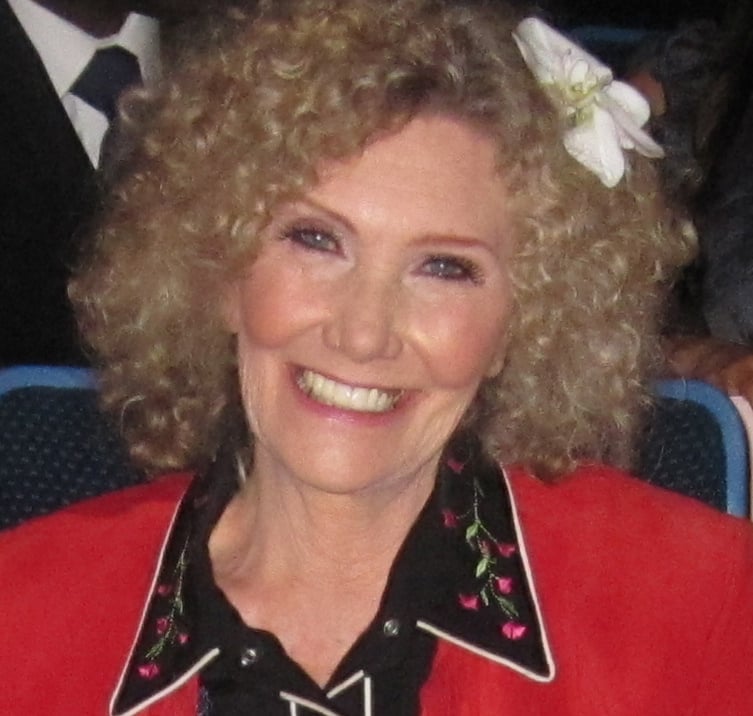
Carole Dean is president and founder of From the Heart Productions; a 501(c)3 non-profit that offers the Roy W. Dean Film Grants and fiscal sponsorship for independent filmmakers.
She is creator and instructor of Learn Producing: The Ultimate Course for Indie Film Production. Essential classes for indie filmmakers on how to produce their films.
She hosts the weekly podcast, The Art of Film Funding, interviewing those involved in all aspects of indie film production. She is also the author of The Art of Film Funding, 2nd Edition: Alternative Financing Concepts. See IMDB for producing credits