How purpose-driven film festivals for independent filmmakers help you find alignment, audience, and lasting impact
by Carole Dean
There comes a moment in every filmmaker’s journey when the question shifts.
It’s no longer just “How do I finish this film?”
It becomes “Where does this film belong?”

In today’s marketplace, films are often evaluated by metrics before meaning — by box office potential before impact. Many filmmakers feel pressured to shape their stories around what sells rather than what serves.
But what if the deeper question is this:
What is the purpose of your story?
On a recent episode of The Art of Film Funding podcast, I had the pleasure of speaking with Annabel Munro, the founder of the Ethos Film Festival in Santa Monica. What emerged from that conversation was not simply information about a festival — it was a reminder of why we make films in the first place.
When the Market Becomes the Master
Annabel shared something that struck me deeply. She described her early frustration navigating what she called the “entertainment industry,” where “the market rules” and certain genres are easier to finance than others.
She said:
“I wanted to build a platform for filmmakers who are like me, who are still holding on to wanting to make the world a better place with their film, first and foremost, not as an afterthought.”
That sentence says everything.
So many filmmakers begin with a sacred impulse — to heal, illuminate, connect, awaken. Yet somewhere along the path, that impulse gets pushed aside by the pressure to be commercial, competitive, or trendy.
The industry may reward speed and profitability.
But purpose builds longevity.
What “Ethos” Really Means
The name Ethos is not accidental. In Greek, it means character, guiding beliefs, or moral nature.
Annabel explained:
“It’s about why we are here… How can we hold onto this dreamy wish of accomplishing that with our films in this really tough market environment?”
That is the tension every independent filmmaker faces.
Can you remain authentic while navigating funding realities?
Can you stay purpose-driven while becoming financially viable?
The answer is yes — but it requires clarity.
Community Changes the Energy
One of the most powerful themes from our conversation was community.
Annabel described the atmosphere at Ethos this way:
“You are surrounded by people who are helpers by nature, not takers — givers, collaborators.”
That matters.
Film festivals can sometimes feel competitive. There can be subtle tension, comparison, or insecurity. But when you enter a space built around shared values rather than rivalry, the energy shifts.
You are no longer proving yourself.
You are participating.
And that shift changes how you show up — in pitch sessions, in networking conversations, in your own confidence.
As Lily Tomlin said, “We are all in this boat alone together.”
The right community reminds you that you are not alone.
Education That Serves the Story
What impressed me most about Ethos is its educational design. Annabel is not interested in panels where people simply talk at filmmakers.
She said:
“It’s not effective if somebody’s just talking. You have to walk away with solutions.”
This year’s programming includes full days dedicated to writers, table reads with industry professionals, pitch marathons, and panels focused on financing purpose-driven storytelling.
Notice that word: financing.
Purpose does not mean impractical.
It means intentional.
When filmmakers understand both the why and the how, sustainability becomes possible.
Preparing to Be Seen
Filmmakers often ask me, “Should I submit if my film isn’t finished?”
Annabel’s advice was practical:
“If you give me a three-to-five-minute piece that tells us the depth and quality of the film, I can program that.”
This is important.
You do not have to wait for perfection to begin building visibility.
A proof of concept, a strong short, or an excerpt can begin conversations, attract collaborators, and signal seriousness.
Momentum builds when you participate.
The Mindset Shift: From Competition to Contribution
One of the most refreshing aspects of Ethos is that it does not focus on vanity awards.
There is no obsession with “Best Actor” or “Best Cinematography” as isolated categories. Instead, awards focus on themes — human connection, technology, healing, multi-generational impact.
That reframing changes the emotional temperature.
When your film stands on its own thematic ground, you are not competing against someone else’s lighting budget.
You are contributing to a dialogue.
And that is a much healthier foundation for a creative life.
Practical Guidance for Filmmakers
Here are several actionable insights from our conversation that you can apply immediately:
1. Clarify Your Purpose
Before submitting anywhere, ask:
- What is the core intention of my film?
- Who does this story serve?
- Does the festival align with my values?
2. Prepare to Engage Fully
Attend the entire program.
Research speakers.
Initiate conversations.
Do not sit back and observe — participate.
3. Ask for Advice, Not Just Funding
As I often teach:
“When you ask for money, you often get advice. But when you ask for advice, you often get money.”
Invite feedback.
Invite mentorship.
Invite connection.
Advice builds allies.
4. Share Your Work Strategically
If your feature is not finished, create a meaningful short version.
Not a commercial — but a piece that communicates tone, depth, and intention.
Let people feel your story.
5. Choose Collaboration Over Competition
The right room can accelerate your growth.
Surround yourself with filmmakers who share resources rather than guard them.
Belonging Is Fuel
There is something profoundly empowering about leaving a festival thinking:
“I belong here.”
I once had a finalist from one of our grants call me years later. He said:
“To you I was a finalist. To me, I was a winner.”
That encouragement gave him the confidence to finish his film — and he later sold it.
Recognition is not ego.
It is fuel.
And purpose-driven festivals provide that fuel in a way that is both grounded and generous.
Looking Forward
As we look toward April 21–26, 2026 in Santa Monica, what excites me most is not simply the screenings — it is the alignment. When filmmakers gather with shared intention, something powerful happens. Collaboration emerges. Courage expands. Possibility feels tangible.
Annabel described the festival as a “wonder bag” — every year different, reflective of the world we are living in.
And that is what filmmaking is.
A living, breathing expression of who we are — and who we hope to become.
Keep Funding. Keep Building. Keep Choosing.
The marketplace will continue to shift.
Technology will evolve.
Genres will trend and fade.
Funding models will change.
But purpose endures.
If your film carries meaning, do not dilute it to fit a trend.
Instead, find the rooms where it will be understood.
Choose alignment over anxiety.
Community over isolation.
Contribution over comparison.
Your story matters.
And when you stand firmly in its purpose, the right doors begin to open.
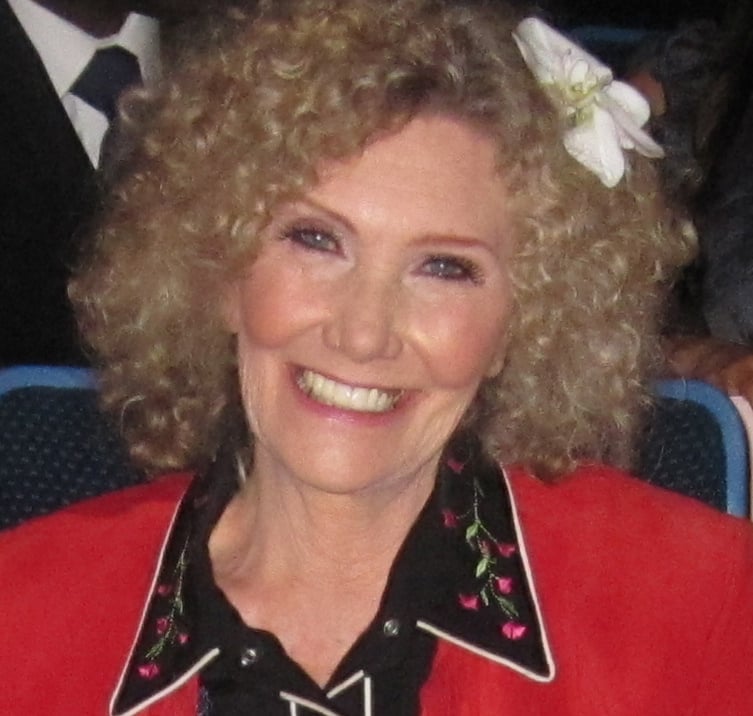
Carole Dean is president and founder of From the Heart Productions; a 501(c)3 non-profit that offers the Roy W. Dean Film Grants and fiscal sponsorship for independent filmmakers.
She is creator and instructor of Learn Producing: The Ultimate Course for Indie Film Production. Essential classes for indie filmmakers on how to produce their films.
She hosts the weekly podcast, The Art of Film Funding, interviewing those involved in all aspects of indie film production. She is also the author of The Art of Film Funding, 2nd Edition: Alternative Financing Concepts. See IMDB for producing credits