
Film Funding Party Strategies for Indie Filmmakers Who Want to Build Donor Support, Audience Momentum, and Lasting Relationships
by Carole Dean
Some filmmakers spend years trying to convince strangers to care about their film.
Others gather twenty people in a living room and leave with new donors, future collaborators, audience members, and enough momentum to keep the project moving forward.

Why?
Because independent film funding rarely begins with money.
It begins with connection.
People want to feel something before they contribute. They want to understand why this story matters, why you are the person meant to tell it, and whether the film has the potential to move other people the way it moved you.
That emotional connection cannot always happen through an email campaign or a crowdfunding page.
Sometimes it happens over a glass of wine in someone’s home.
On a recent episode of The Art of Film Funding Podcast, Carole Dean interviewed Carole Joyce, Vice President of From the Heart Productions, about one of the most powerful and overlooked grassroots fundraising tools available to indie filmmakers: the film funding party.
What emerged from their conversation was not simply a fundraising strategy.
It was a lesson in human psychology, storytelling, trust, and community building.
Why Film Funding Parties Create Momentum
Many filmmakers think fundraising means convincing people to give money.
Experienced producers understand something deeper.
People contribute when they feel emotionally included in a vision.
That is why film funding parties can become so effective. The event itself creates a shared emotional experience around the film. Guests stop feeling like outsiders looking at a project from a distance. They begin feeling connected to the filmmaker, the mission, and the possibility of helping bring the story into the world.
These gatherings raise money while also building awareness, creating community, expanding audience reach, and strengthening long-term relationships.
Those relationships often become more valuable than the money raised during the event itself.
A donor may eventually introduce the filmmaker to another supporter. Someone at the party may later offer a location, post-production help, distribution advice, or media exposure. Another guest may invite the filmmaker to host a second event months later.
Momentum builds because people leave the evening emotionally invested.
And emotional investment travels.
Guests begin sharing the project on social media. They talk about the filmmaker to friends. They remember the trailer. They repeat the emotional moments that stayed with them.
This is how grassroots support begins to expand organically.
Not through pressure.
Through emotional resonance.
The Host Determines the Energy in the Room
Many filmmakers focus first on the venue.
Carole Joyce focuses on the host.
“The foundation of a successful house funding party is the host,” she explained during the podcast conversation.
Why?
Because the host transfers trust to the filmmaker.
That transfer changes everything.
When people walk into someone’s home, they unconsciously assume the host has already vetted the filmmaker. The guests arrive with their defenses lowered because the invitation came through someone they already know, respect, or admire.
That emotional safety matters more than expensive decorations or luxury catering.
A strong host believes deeply in both the filmmaker and the film itself. They publicly endorse the project before anyone else in the room has to make a decision. They donate personally. They invite friends who trust their judgment.
That creates emotional permission for others to contribute.
Carole Joyce emphasized that the host must commit financially before the party begins because later they will stand up and say “I’ve donated to this film.”
That single statement shifts the emotional dynamic in the room.
Guests stop wondering whether supporting the project is appropriate. Instead, they begin thinking about how they themselves might participate.
The home itself also becomes part of the experience.
Carole Joyce spoke about how people are naturally curious about entering homes they would never otherwise visit, especially in places associated with creativity and filmmaking like Beverly Hills or the Hollywood Hills.
But underneath that curiosity is something more important.
Homes feel personal.
People speak differently in living rooms than they do inside conference centers or banquet halls. Conversations soften. Guests linger longer. Emotional openness increases.
And fundraising becomes less transactional.
Why the Host Committee Quietly Drives the Entire Event
One of the smartest insights from the podcast involved the role of the host committee.
To outsiders, the committee may appear to be helping with logistics. In reality, they are helping shape the psychology of the room.
Carole Joyce recommends building a committee of at least ten people. Each committee member expands the network further by inviting guests who share similar interests, values, and social circles.
But the deeper power of the committee comes from social proof.
Human beings constantly look for cues about how to behave. When guests see respected people publicly supporting a film, donating to it, and speaking enthusiastically about it, hesitation decreases. The room begins to feel emotionally aligned.
Guests stop feeling like isolated decision-makers. They begin feeling part of a collective movement supporting something meaningful.
That is why committee members must donate themselves before the party begins.
Once support becomes visible, generosity becomes contagious.
Why Some of the Most Important Donations Arrive Before the Party
One of the most surprising realities discussed during the podcast involved guests who never attend at all.
Carole Joyce explained that many invitees send contributions before the event because the invitation itself creates emotional momentum. Some people cannot attend because of scheduling conflicts. Others decide the energy required to prepare for the evening feels greater than simply contributing directly.
But something else is happening psychologically. The invitation itself gives people an opportunity to participate in something meaningful. That is why the invitation matters so much.
A strong invitation does more than announce an event. It introduces the emotional purpose behind the film. It explains why the story matters now. It creates curiosity and emotional investment before guests ever arrive.
Filmmakers should include response cards saying “I’m sorry I can’t come, but here’s my donation.”
That small detail often produces contributions weeks before the party begins.
For fiscally sponsored filmmakers, this becomes even more powerful because donors may also receive tax deductions through the nonprofit sponsor.
The fundraising process starts long before anyone walks through the front door.
Your Trailer Becomes Proof of Trust
Filmmakers often think the trailer exists simply to showcase the story.
Donors experience it differently.
To them, the trailer becomes evidence.
Evidence that the filmmaker can execute.
Evidence that the story has emotional power.
Evidence that the film feels real enough to deserve support.
Carole Joyce described the trailer as one of the most powerful moments of the evening because it creates emotional connection while visually proving the filmmaker’s capability. That combination matters enormously.
People do not donate simply because a topic sounds important. They donate when they trust the filmmaker can finish the journey.
A strong trailer quietly answers questions guests may never say aloud:
- Can this filmmaker actually make the film they are describing?
- Does the story emotionally move people?
- Does this project feel professional?
- Will my contribution matter?
The trailer also creates emotional immersion. For a few minutes, guests stop imagining the film and begin experiencing it.
That emotional shift frequently becomes the turning point of the evening.
Why the Filmmaker Should Never Make the Ask
One of the most important lessons Carole Joyce shared involved what happens after the trailer ends.
Many inexperienced filmmakers make the mistake of directly asking guests for money themselves. Experienced fundraisers understand that the ask carries far more weight when it comes from another supporter.
Why?
Because third-party belief feels more trustworthy.
When a respected friend, producer, host committee member, or community leader stands up and says
“I’ve donated to this film.”
the room hears validation rather than self-promotion. That distinction changes the emotional atmosphere.
The filmmaker’s role is different.
The filmmaker must bring passion, vulnerability, vision, and purpose into the room. They must explain why this story matters deeply to them and what impact they hope it will create in the world.
As Carole Joyce explained “People give money to people.”
Guests invest emotionally in the filmmaker first.
The donation simply becomes the expression of that emotional connection.
Sticky Stories Stay With People After They Leave
One of the smartest sections of the conversation explored what Carole Joyce called a “sticky story.”
Many filmmakers overwhelm audiences with too much information.
Too many statistics.
Too much backstory.
Too much explanation.
But people rarely repeat information. They repeat emotion.
That is why Carole Joyce encourages filmmakers to include moments that are emotional, concrete, credible, and surprising. The audience needs something memorable enough to carry into future conversations.
Maybe it is a shocking statistic.
Maybe it is a personal story.
Maybe it is one sentence from the filmmaker that emotionally lands in the room and lingers afterward.
Those moments matter because guests continue fundraising for the film after they leave. They repeat the story to spouses, coworkers, business partners, and friends.
And every repeated story creates another opportunity for support.
Why Gifts and Experiences Increase Donations
One fascinating section of the podcast explored donor incentives and experiential gifts.
Carole Joyce described filmmakers offering:
- artwork
- jewelry
- wine
- facials
- photographs
- weekend experiences
- producer credits
- recognition opportunities
To outsiders, these may seem like small extras.
In reality, they help deepen emotional participation.
People enjoy leaving with something connected to the experience they just shared. Tangible gifts transform donations into memories. Guests associate the object with the emotional atmosphere of the evening.
The gifts also create movement and excitement inside the room. Carole Joyce mentioned guests walking around displays saying “I want that necklace.”
Suddenly donations become interactive rather than passive. The event feels celebratory instead of transactional.
That emotional energy encourages generosity.
The Jane Seymour Fundraising Party Lesson
One memorable fundraising event I attended was hosted by Jane Seymour. It demonstrated how quickly emotional momentum can transform a room.
The evening itself created an experience guests would remember:
- An extraordinary Malibu home
- Organic food prepared fresh from the property
- An atmosphere that felt intimate, creative, and personal
- A respected host publicly supporting the film
Then came the moment that changed the energy in the room.
Jane Seymour stood up and offered one of her own handmade art pieces in exchange for a $5,000 donation. Someone immediately accepted.
That single action created a ripple effect.
People wanted to participate.
They wanted to belong to the experience.
They wanted to become part of the story unfolding in real time.
Once guests see respected supporters stepping forward publicly, the atmosphere shifts from hesitation to momentum. The room begins to feel less like a fundraiser and more like a shared mission.
That is the emotional architecture of a successful funding party.
Why the Follow-Up May Matter More Than the Event
Many filmmakers feel relieved once the party ends. Experienced fundraisers know the process is only halfway complete.
Carole Joyce emphasized the importance of thoughtful follow-up calls after the event.
Some guests leave inspired but undecided. Others need to discuss contributions with spouses, business partners, or family members. Some simply need more time emotionally.
The follow-up call creates another moment of connection.
Not pressure. Connection.
A committee member may simply ask:
Did you enjoy meeting the filmmaker?
Did the story resonate with you?
Did you have questions afterward?
Those conversations often reopen the emotional experience guests felt during the party itself.
A substantial percentage of donations may arrive during this stage.
Because fundraising rarely happens in a single moment.
Trust builds in layers.
Final Thoughts: Invite People Into the Purpose Behind Your Film
Meaningful stories still matter and that there are people who genuinely want to support work capable of changing hearts and opening minds.
Sometimes supporters are simply waiting for:
- an invitation
- an emotional connection
- a reason to believe
- an opportunity to feel included
A film funding party creates that opportunity.
Not because it feels corporate.
Because it feels human.
And in independent filmmaking, human connection still raises more money than almost anything else.
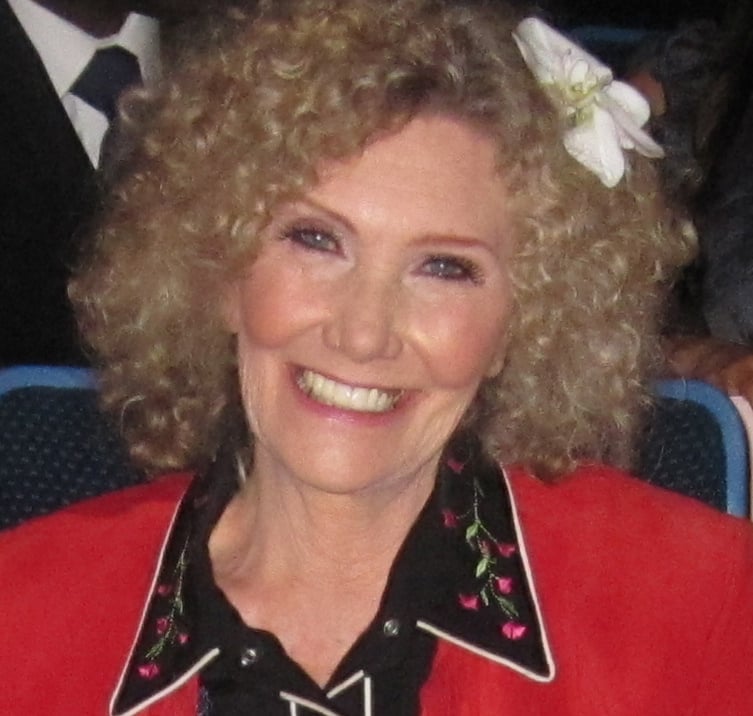
Carole Dean is president and founder of From the Heart Productions; a 501(c)3 non-profit that offers the Roy W. Dean Film Grants and fiscal sponsorship for independent filmmakers.
She is creator and instructor of Learn Producing: The Ultimate Course for Indie Film Production. Essential classes for indie filmmakers on how to produce their films.
She hosts the weekly podcast, The Art of Film Funding, interviewing those involved in all aspects of indie film production. She is also the author of The Art of Film Funding, 2nd Edition: Alternative Financing Concepts. See IMDB for producing credits