What indie filmmakers need to know about vertical content as a viable storytelling format, business model, and career pathway
by Carole Dean
Independent filmmakers are navigating one of the most challenging transitions our industry has ever faced. Traditional funding paths are narrowing, production timelines are slowing, and many creatives are asking the same question: Where is the real opportunity now?
One clear answer is vertical storytelling—also known as micro-drama.

In our latest Learn Producing Class, we were fortunate to have as our guide to vertical storytelling writer, director, and producer Isabel Dréan. She shared insights from her #1 Amazon bestselling book, How to Write a Vertical Series in 10 Days.
Vertical storytelling is not a trend. “This is a format,” she told us, “That finally figured out how to monetize short storytelling—and that changes everything.”
For indie filmmakers focused on sustainable creativity and long-term progress, that shift matters deeply.
Vertical Series: Meeting the Audience Where They Are
Vertical series are short, serialized dramas—typically one to two minutes per episode, delivered in 40–60-episode arcs—designed to be watched on phones.
As Isabel explained, “Ninety-four percent of the time, people hold their phones vertically. The format simply matches existing behavior.”
That alignment is critical. When storytelling meets audience habit, platforms invest, viewers stay engaged, and creators get hired. Millions of viewers are watching—and bingeing—these stories daily. Audience behavior is not theoretical; it is measurable, and it drives opportunity.
Why This Format Supports Creative Sustainability
One of the most significant advantages of vertical storytelling is how it changes the energy equation for independent filmmakers.
“I can be hired, write, deliver, and see something go into production in weeks—not years,” Isabel shared.
That speed matters. Traditional filmmaking often requires prolonged effort with delayed validation. Vertical storytelling rewards clarity, decisiveness, and forward motion. For many filmmakers, this momentum becomes its own form of sustainability—restoring movement, confidence, and creative trust.
From Permission to Positioning
Vertical storytelling also requires releasing long-held gatekeeping assumptions. Isabel was clear: “You don’t need permission in this space. You need a plan.”
Writers and producers are hired not because of pedigree, but because they understand the format and can deliver efficiently.
Many successful vertical creators had never been produced before entering this arena. In this ecosystem, positioning matters far more than permission—and that mindset shift opens new pathways into consistent work.
Releasing Old Judgments
Resistance to vertical storytelling mirrors resistance our industry has shown before. Television was once dismissed. Streaming was doubted. Web series were ignored.
As Isabel noted, “If something is mediocre, that’s not a reason to avoid it—that’s an opportunity to make it better.”
Production values in vertical content are rising quickly. Union talent is entering the space. Major studios and international companies are investing. Ignoring this moment does not preserve artistic integrity—it limits access.
Understanding the Medium
Vertical storytelling is not fragmented television. It is its own language.
“This is not a feature cut into pieces,” Isabel emphasized. “Everything is built around the hook, the cliffhanger, and the swipe.”
Every episode must end with a reason to continue. The audience is always in control—and always one swipe away from leaving. Filmmakers who understand this audience-first medium become invaluable quickly.
Consistency Over Perfection
Speed and clarity are rewarded in this space. Often, writers receive one round of notes—sometimes none.
“Your first draft has to be shootable,” Isabel explained. “Draft two is what gets filmed.”
This environment favors filmmakers who prepare thoroughly, understand structure, and work efficiently. Reliability becomes a competitive advantage.
Alignment, Ethics, and Responsibility
Isabel also addressed important concerns within the vertical space, particularly around misogyny and harmful tropes.
“We have to speak up,” she said. “Especially as women. If we don’t enter the space, we don’t get to help shape it.”
Change happens through presence, not avoidance. Indie filmmakers have both an opportunity and a responsibility to elevate storytelling standards as the format evolves.
Practical Steps Indie Filmmakers Can Take Now
- Study the platforms
Download major vertical apps and observe pacing, genre, and structure. - Create a strong 10-episode sample
This is your primary calling card. - Develop clear, compelling pitches
Titles and loglines function as promises to the audience. - Engage the community intentionally
LinkedIn and professional groups are active and accessible right now. - Seek informed feedback
As Isabel cautioned, “Most people think they’ve nailed it—and they haven’t.”
A Final Reflection
Independent filmmakers have always succeeded by adapting early and intentionally. Vertical storytelling represents a rare convergence of access, audience demand, and viable business models.
This space rewards creators who understand what producers want and how to deliver it efficiently.
As Isabel said near the end of her talk, “This is a blank canvas moment. The doors are open—but they won’t stay open forever.”
For filmmakers committed to sustainable creativity, aligned leadership, and long-term progress, this format offers more than a trend. It offers momentum.
Trust yourself enough to explore it wisely.
About Isabel Dréan
Isabel Dréan is an award-winning director, producer, and screenwriter known for her work in psychological thrillers, suspense, and female-driven stories. She has written vertical series for Gammatime, Vigloo, and other platforms, and works with major studios, production companies, and apps as a vertical storytelling expert, advising on content strategy, development, and format execution.
In her #1 Amazon bestselling book, How to Write a Vertical Series in 10 Days, Isabel breaks down the vertical storytelling format step by step and shares exactly what producers are looking for in today’s market. The book is available in paperback, hardcover, and ebook editions.
More information about Isabel Dréan’s work, including her book and related resources, is available at https://books2read.com/Verticals. Additional details about her projects, speaking, and industry work can be found at https://isabeldrean.com.
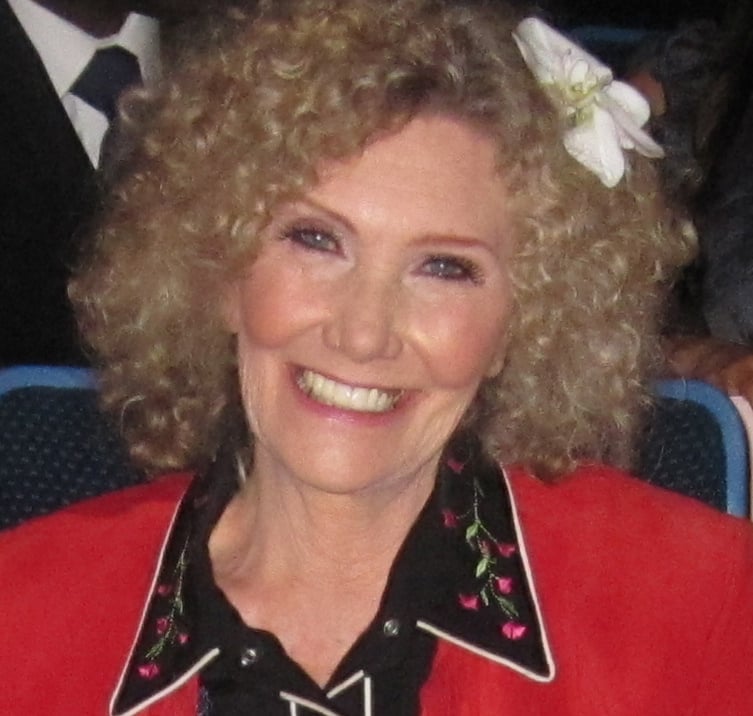
Carole Dean is president and founder of From the Heart Productions; a 501(c)3 non-profit that offers the Roy W. Dean Film Grants and fiscal sponsorship for independent filmmakers.
She is creator and instructor of Learn Producing: The Ultimate Course for Indie Film Production. Essential classes for indie filmmakers on how to produce their films.
She hosts the weekly podcast, The Art of Film Funding, interviewing those involved in all aspects of indie film production. She is also the author of The Art of Film Funding, 2nd Edition: Alternative Financing Concepts. See IMDB for producing credits