Film Production Management Secrets Every Filmmaker Should Know Before Cameras Roll
by Carole Dean
What separates a film that gets finished from one that falls apart halfway through production?
Most filmmakers immediately think of funding, talent, or equipment. But according to veteran production manager Deborah Patz, the answer is often something far less glamorous—and far more important: production management.

Effective film production management is often the difference between a completed film and a project that runs out of time, money, or momentum. On a recent episode of the Art of Film Funding Podcast, I sat down with Deborah Patts, author of the industry-renowned Film Production Management 101, who shared the lessons filmmakers need to navigate every stage of production successfully.
Whether you’re producing your first documentary or your tenth feature film, this conversation is packed with insights that could save you months of frustration and thousands of dollars.
Why Deborah Wrote the Book Every Filmmaker Needs
Deborah first published her production guide in 1997 after discovering there was no comprehensive resource for production coordinators. As her career evolved into production management, she realized filmmakers needed a guide that covered the entire production process—from development through post-production.
Today, the third edition of Film Production Management 101 spans more than 500 pages and reflects the realities of modern filmmaking, including digital workflows, sustainable production practices, and respectful workplace standards.
But don’t let the size of the book intimidate you.
As Deborah explains, the book is designed to grow with filmmakers throughout their careers.
“You don’t have to know everything, but you’re going to learn on every production.”
The Biggest Myth About Budgets
What Is Film Production Management and Why Does It Matter?
One of the most eye-opening moments in the interview comes when Deborah tackles the subject filmmakers fear most: budgeting.
Many filmmakers believe successful producers somehow know exactly how much a film will cost.
Not true.
Deborah explains that budgeting is really about making intelligent production decisions and allocating available resources.
Her first piece of advice?
“You will never have enough time and money to make your project. So just relax.”
That statement may sound surprising, but it’s incredibly liberating.
Whether you’re making a $20,000 documentary or a multi-million-dollar feature, every production faces limitations. The skill lies in making the right choices that serve the story.
The Mistake That Leaves Films Unfinished
If Deborah could save filmmakers from one costly mistake, it would be this:
Not budgeting enough for post-production.
Many productions successfully complete principal photography only to discover they’ve exhausted their resources before finishing editing, sound design, color correction, music licensing, and deliverables.
Her warning is direct:
“If you don’t finish the film, there’s no film to sell in the market afterward.”
This insight alone is worth listening to the full podcast.
Why Production Managers Must Learn to Say “No”
Filmmakers are passionate people. We fall in love with shots, locations, scenes, and creative ideas.
But Deborah explains that one of the most important responsibilities of a production manager is learning when to challenge an idea that may not justify its cost.
At the same time, great production managers know when an expensive creative choice is essential to the story.
“The production manager,” as Deborah puts it, “needs to know how to say no—but they also have to know when to say yes.”
This balance between creativity and practicality is one of the central themes of the interview.
Why Pre-Production Saves More Money Than Anything Else
One of the most valuable lessons from the conversation is the importance of preparation.
She explains that modern productions rely heavily on detailed planning. Virtual production, visual effects, scheduling, budgeting, and logistics all require extensive preparation before cameras roll.
She shares a saying that perfectly captures the reality of filmmaking:
“Fast, good, cheap—pick two.”
During pre-production, you still have time to solve problems economically.
Once shooting begins, every delay costs money.
“The only place, ” Deborah says, “where you can save money is in prep when you actually have time.”
For independent filmmakers, this may be the most valuable advice in the entire interview.
The Hidden Art of Building Great Crews
Another fascinating section explores hiring and crew management.
Deborah emphasizes that filmmaking is ultimately about people.
Experience matters, but so does the ability to collaborate.
A production may only last a few weeks or months, yet crew members must function as a unified team almost immediately.
She encourages producers to check references carefully and pay attention to how people work together—not just their resumes.
Why?
Because great productions are built by great teams.
The Location Mistake Most Filmmakers Make
When scouting locations, filmmakers often focus entirely on what they can see.
Deborah says they’re forgetting something equally important:
What they can hear.
Traffic, aircraft, machinery, crowds, and environmental sounds can become expensive post-production headaches.
Her advice is simple:
Listen to the location.
That single insight can save filmmakers countless hours and significant ADR costs later.
Technology Changes. Story Doesn’t.
One of the most inspiring moments in the podcast comes when Deborah reflects on her career.
She began filmmaking before Google, smartphones, and digital editing existed.
Today, the industry is navigating virtual production and artificial intelligence.
Yet despite all the technological change, one thing remains constant:
Story.
It’s all about story, story, and more story.
Technology evolves.
Equipment changes.
Workflows transform.
But audiences still connect with compelling stories told well.
Why You Should Listen to the Full Interview
This blog only scratches the surface of what Deborah Patz shares in her conversation with Carol Dean.
The full episode explores:
- Production management fundamentals
- Budgeting strategies
- Scheduling techniques
- Cash flow management
- Producer responsibilities
- Crew building
- Location management
- Completion bonds and insurance
- Technology trends
- The decision-making process behind successful productions
Most importantly, Deborah offers practical wisdom earned through decades of experience working with organizations including Lucasfilm, IMAX, Disney, Universal, BBC, and CBC.
If you’re serious about making films professionally, this is one episode you won’t want to miss.
Listen to the full Art of Film Funding Podcast interview with Deborah Patz and discover the production management strategies that can help turn your vision into a completed film.
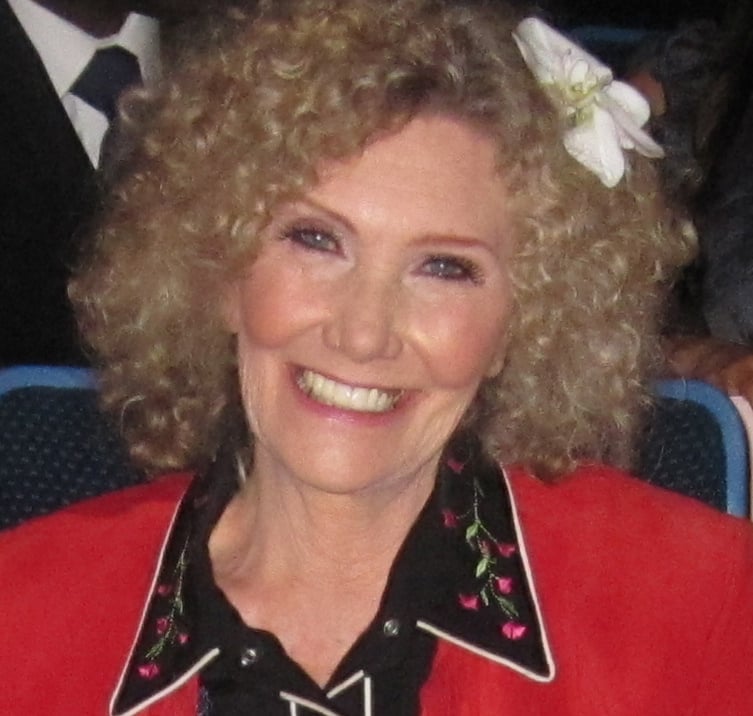
Carole Dean is president and founder of From the Heart Productions; a 501(c)3 non-profit that offers the Roy W. Dean Film Grants and fiscal sponsorship for independent filmmakers.
She is creator and instructor of Learn Producing: The Ultimate Course for Indie Film Production. Essential classes for indie filmmakers on how to produce their films.
She hosts the weekly podcast, The Art of Film Funding, interviewing those involved in all aspects of indie film production. She is also the author of The Art of Film Funding, 2nd Edition: Alternative Financing Concepts. See IMDB for producing credits