
How your filmmaker mission can strengthen donor trust, film funding conversations, and your long-term creative vision
by Carole Dean
What Is a Filmmaker Mission?
At From the Heart Productions, I have seen filmmakers come to us with strong stories, beautiful trailers, and urgent funding needs. But before a filmmaker can ask for support with confidence, one question must be answered clearly:
Why are you making this film?
That answer is your filmmaker mission.
This is not just a spiritual idea. It is a practical funding tool.

A discussion I had with Morrie Warshawski, author of Shaking the Money Tree, became the foundation for Chapter 21, “Mission, Vision, and Values,” in my book, The Art of Film Funding. Much of what I am sharing in this article grew from that conversation.
Morrie understood that filmmakers need more than a budget before they ask for money. They need to know the purpose, direction, and values behind their work so they can build a stronger funding strategy and a more sustainable creative future.
The Deeper Reason Donors Need to Hear
When donors listen to your pitch, they are not only hearing what the film is about.
They are listening for your commitment.
They want to know why this story matters to you, why you are the person to tell it, and whether you will stay with the film until it is finished.
That is where your mission gives you strength.
When you can explain your deeper reason, supporters begin to understand that your film is not random. It is not just one project. It is part of a larger purpose, a larger vision, and a body of work you are here to create.
Most filmmakers think the first thing they need is money. Of course, money matters. You need a budget, a team, equipment, legal support, insurance, editing, sound, marketing, and distribution.
But before you ask someone else to believe in your film, you must believe in it so clearly that they can feel your certainty.
That begins with your mission as a filmmaker.
Your Filmmaker Mission Is the Heart of Your Work
You may already have a mission in other parts of your life. But do you have a mission as a filmmaker?
Your filmmaker mission is your reason for doing the work. It is your creative purpose. It is the deeper thread that connects your film, your choices, your voice, and your future.
The French phrase raison d’être means “reason for being.” Your mission is your filmmaker reason for being. It is the reason behind the stories you choose, the people you want to reach, and the impact you hope your work will have.
This does not need to be long. In fact, it should be short enough to say in one sentence.
For example:
“My mission is to promote nonviolent social change by amplifying women’s voices.”
That one sentence tells a potential supporter far more than a long explanation of the plot. It says you know who you are. It says the film is part of a larger purpose. It says you are not chasing one project, but building a body of work with meaning.
That kind of clarity can change the way people hear you.
Why Donors and Investors Respond to Mission
People with wealth are often goal-oriented. They understand words such as mission, vision, and values. Many have built companies, careers, foundations, or investments by seeing where they wanted to go and making disciplined choices to get there.
When you speak their language, you help them understand you.
This does not mean pretending to be someone you are not. It means presenting your creative work with the same seriousness and clarity they bring to their own goals.
When a potential donor asks, “Why are you making this film?” you can answer:
“This film fits my mission as a filmmaker, which is…”
Then say your mission in one clear sentence.
That answer shows that your film is not random. It shows that you have thought deeply about your purpose. It shows that the project is connected to a larger path. It also helps the person across from you feel your commitment to finishing what you started.
When you are film fundraising, your mission can move the conversation beyond need. Instead of only saying how much money you must raise, you are showing why the film matters and why a supporter’s gift can become part of something meaningful.
How to Create Your Filmmaker Mission in One Sentence
Many filmmakers do not find their mission by staring at a blank page and trying to sound impressive.
Start more simply.
Take out your phone and record yourself answering three questions:
Why am I making this film?
Why does this story matter to me now?
What do I want this film to change, reveal, heal, or inspire?
Do not edit yourself. Do not try to make it polished. Talk for two or three minutes. Let it be honest.
Then transcribe it or write down the strongest phrases. Inside those words, there is usually one sentence trying to come through.
Look for language that feels true, specific, and alive.
Filmmaker Mission Formula
My mission as a filmmaker is to [action] [what matters] through [the kind of stories I tell].
For example:
My mission as a filmmaker is to give voice to survivors through intimate documentary storytelling.
My mission as a filmmaker is to reveal hidden histories that help communities understand themselves.
My mission as a filmmaker is to tell stories that help people feel less alone.
Once you find your sentence, memorize it. Practice saying it until it feels natural. Use it in conversations, grant applications, pitch meetings, donor letters, and introductions.
The goal is not to sound rehearsed. The goal is to know yourself well enough that your answer comes from a place of confidence.
Your Vision Gives Your Mission a Direction
Mission answers why.
Vision answers where.
Where do you want to be in five years as a filmmaker?
This is not a fantasy exercise. It is a practical funding tool, a decision-making tool, and a confidence-building tool.
Without a vision, every opportunity can look equally important. Every invitation can feel urgent. Every piece of advice can pull you in a different direction.
With a vision, you can ask better questions:
Does this move me closer to the filmmaker I want to become?
Does this support the body of work I want to build?
Does this strengthen my future, or only distract me?
Your five-year vision might include finishing and distributing your current feature. It might include creating two shorts and then moving into a feature. It might include festivals, awards, educational distribution, speaking opportunities, partnerships, meaningful income, or a long-term donor base.
Be specific enough that your vision can guide your choices.
I often teach that you have to begin seeing what you want before you can receive it. In filmmaking, that matters because so much of the work requires belief before evidence appears.
You may not yet have the donor, the distribution deal, the audience, or the recognition. But you can begin training yourself to see the future you are moving toward.
The clearer you are about that future, the easier it becomes to recognize the next step.
Your Current Film Is Part of a Larger Puzzle
One of the biggest mistakes filmmakers make is treating each film as an isolated project.
Your current film is not only about finishing this film. It is also about building the foundation for the next one.
Ask yourself:
How can this film help me build relationships?
How can it grow my audience or donor base?
How can it open doors to screenings, partnerships, teaching, or future support?
When you know your mission and vision, you can begin to maximize what you are already doing.
If you are interviewing experts, those experts may become future partners. If you are building an audience, that audience may support your next film. If your film has educational value, it may open doors to schools, nonprofits, or community groups.
Every step of making your film can also help build your future as a filmmaker.
But only if you are paying attention.
Values Help People Trust You
Mission and vision are essential, but values are what guide your behavior.
Who do you deeply respect?
Choose a person whose life, work, or presence reflects qualities you admire. It may be a spiritual leader, activist, artist, teacher, family member, mentor, or public figure.
What qualities do you admire in that person?
Perhaps it is honesty. Compassion. Discipline. Loyalty. Courage. Joy. Respect. Humility. Persistence. Service.
Now ask a harder question:
Are those values visible in the way I make my film?
Do they show up in how you speak to your team, ask for money, treat donors, handle rejection, and keep promises?
Values are not just words you put on a website. They are standards you live by.
When your values are clear, you make better decisions under pressure. You know what kind of money to accept. You know which partnerships feel aligned. You know how you want to lead. You know what kind of reputation you are building.
Filmmaking is not only about getting a film made. It is about becoming the kind of person people want to support, work with, and recommend.
Bring Mission, Vision, and Values Into Every Funding Conversation
Before your next donor meeting, pitch, grant application, or funding conversation, take time to prepare three answers:
What is my mission as a filmmaker?
Where do I want to be in five years?
What values guide the way I work?
These answers do not need to be long. They need to be true.
A potential donor may not ask directly, “What is your mission?” But they will be listening for it.
They will listen for your clarity.
They will listen for your commitment.
They will listen for your confidence.
When you can speak about your film through your mission, vision, and values, you are no longer only describing a project.
You are showing them who you are becoming.
That can make your funding conversations stronger. It can make your creative decisions clearer. It can help you keep going when the process becomes difficult.
Because there will be difficult days.
There will be rejection. There will be delays. There will be people who do not understand your film. There will be moments when you wonder whether you can finish.
In those moments, your mission reminds you why the film matters.
Your vision reminds you where you are going.
Your values remind you how you want to get there.
A Simple Exercise for Filmmakers
Set aside one hour this week and answer the following:
1. My Mission
Why am I making this film, and what larger purpose does it serve?
2. My Vision
Where do I want to be as a filmmaker five years from now?
3. My Values
What qualities do I want my work, leadership, and fundraising to reflect?
Then reduce each answer.
Turn your mission into one sentence.
Turn your vision into a clear picture.
Turn your values into three to five words you can remember.
Keep them where you can see them.
Say your mission out loud.
Look at your vision often.
Let your values guide your choices.
Your film needs more than a budget. It needs your clarity.
And when you know why you are making it, where you are going, and what values will guide you, you can walk into funding conversations with stronger purpose.
You can make this film.
You can raise the support.
You can build the future you are seeing in your mind.
Start by answering the question:
Why are you making this film?
Frequently Asked Questions
What is a filmmaker mission?
A filmmaker mission is the deeper purpose behind the stories you choose to tell. It explains why your film matters and how it connects to your larger creative vision.
Why does a filmmaker mission help with funding?
It helps donors understand your commitment and see that your film is part of a larger purpose.
How long should my filmmaker mission be?
Short enough to say in one sentence and clear enough to use in donor meetings, grant applications, and pitch conversations.
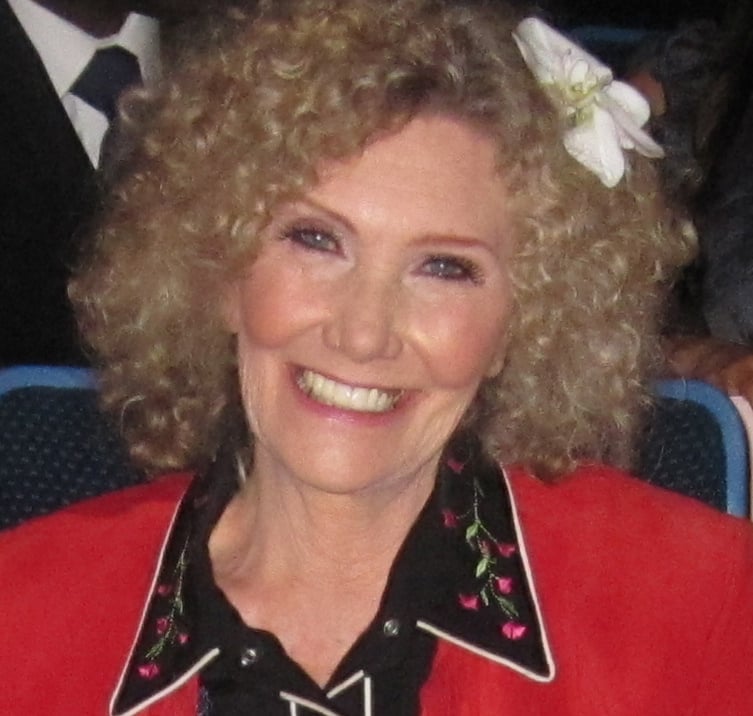
Carole Dean is president and founder of From the Heart Productions; a 501(c)3 non-profit that offers the Roy W. Dean Film Grants and fiscal sponsorship for independent filmmakers.
She is creator and instructor of Learn Producing: The Ultimate Course for Indie Film Production. Essential classes for indie filmmakers on how to produce their films.
She hosts the weekly podcast, The Art of Film Funding, interviewing those involved in all aspects of indie film production. She is also the author of The Art of Film Funding, 2nd Edition: Alternative Financing Concepts. See IMDB for producing credits