A smarter short film strategy for turning festival exposure into audiences, relationships, fundraising opportunities, and career growth.
by Carole Joyce
Many independent filmmakers spend years writing, shooting, editing, fundraising, and sacrificing to complete a short film—only to discover that getting accepted into festivals is not the same as building a sustainable career.
A few screenings. A handful of laurels. Some applause. Then silence.
So why do certain short films create opportunities while others disappear?

In the Cannes edition of IndieWire’s “What No One Tells You” series, IndieWire gathered “a panel of international experts to discuss short films and the practical realities filmmakers face trying to get their work seen,” featuring professionals “actively shaping the ecosystem.” Their conversation explored the realities of festivals, streaming, visibility, sales, and distribution—and revealed lessons every indie filmmaker should understand.
One of the strongest themes throughout the discussion was that short films should never be treated as small projects with small potential.
As film curator and consultant Jason Ryle explained, “Short films are an art form unto themselves.”
That mindset alone can transform how filmmakers approach their work.
Because when filmmakers stop treating shorts like practice projects and start treating them like meaningful artistic statements, audiences and industry professionals respond differently.
Start With a Purpose Bigger Than Festivals
Too many filmmakers begin and end their short film strategy with festival submissions.
The experts featured in IndieWire’s discussion repeatedly emphasized the importance of understanding what the film is actually meant to achieve.
Do you want to:
- Build an audience?
- Secure representation?
- Attract investors?
- Expand a proof of concept into a feature?
- Build industry credibility?
Without clear goals, it becomes easy to spend enormous amounts of money on submissions while creating very little long-term opportunity.
The filmmakers who gain the most from short films often understand exactly how the project fits into a larger career strategy.
Your Short Film Shows the Industry Who You Are
A short film does more than entertain an audience.
It demonstrates your voice, discipline, storytelling ability, and creative instincts.
As one panelist noted in IndieWire’s discussion, shorts are often “the first impression” filmmakers make within the industry.
That impression matters.
A strong short can show:
- Your directing style
- Your visual language
- Your command of tone
- Your ability to lead a production
- Your potential as a long-form storyteller
Investors and collaborators frequently respond more strongly to completed work than pitches alone.
A compelling short gives people confidence that you can execute your vision.
Festivals Are Relationship Opportunities
Festival selections matter. But relationships matter more.
Many filmmakers focus so heavily on getting accepted that they overlook the real opportunity festivals provide: connection.
Attend panels.
Participate in Q&As.
Meet fellow filmmakers.
Introduce yourself to programmers and industry guests.
The conversations around the screenings often become more valuable than the screenings themselves.
One producer, collaborator, mentor, or investor can completely change the trajectory of a career.
As one panelist noted in the IndieWire feature, filmmakers should think about “building community” around their work, not simply collecting laurels.
Visibility Is the Real Challenge
Finishing a short film is difficult.
Getting people to see it can be even harder.
One of the recurring ideas throughout IndieWire’s discussion was that filmmakers must think strategically about visibility long before the festival run ends.
The traditional path—festival premiere followed by online upload—is no longer enough by itself.
Today’s filmmakers should consider:
- Educational distribution
- Community screenings
- Partnerships with nonprofits
- Curated streaming platforms
- Social media strategy
- Industry outreach
- Audience-specific campaigns
In an era of TikTok clips, vertical storytelling, niche streaming platforms, and direct audience access, short films can travel farther and faster than ever before.
A thoughtful distribution plan can dramatically extend the life of a short film.
Use Your Short as a Proof of Concept
Many successful feature films and series began as short films.
Why?
Because a short can remove uncertainty.
Instead of asking investors to imagine your vision, you can show them.
A proof-of-concept short demonstrates:
- Tone
- Style
- World-building
- Character dynamics
- Directing ability
When people can experience the quality of your storytelling firsthand, conversations around financing and support often become easier.
Build Your Audience While You’re Making the Film
One of the biggest mistakes filmmakers make is waiting until premiere day to begin marketing.
As part of a short film strategy, audience-building should start during production.
Capture:
- Behind-the-scenes content
- Director reflections
- Production stills
- Cast interviews
- Short-form videos
- Stories from the filmmaking process
Every post, update, and image becomes part of your film’s identity.
By the time the project premieres, people should already feel connected to the journey.
What This Means for Indie Filmmakers Today
For independent filmmakers, the challenge is no longer simply making a short film.
The real challenge is creating career traction from it.
At From the Heart Productions, we have watched filmmakers use short films to attract donors, secure fiscal sponsorship support, build mailing lists, gain press coverage, and develop larger projects into features and series. We have also seen filmmakers spend years creating beautiful work only to struggle because they approached the short as a finished destination instead of a strategic beginning.
Carole Dean has long taught filmmakers that funding follows passion, preparation, and clarity of purpose.
A short film strategy can become one of the strongest tools you have to communicate all three.
When potential supporters watch your short, they are not simply evaluating the story on screen. They are evaluating your ability to lead a team, complete a project, communicate emotionally, and move an audience. Every short film becomes evidence that you can deliver on your vision.
That matters deeply when approaching donors, grantors, investors, and collaborators.
Your Short Film Can Help Raise Money
Many filmmakers underestimate how valuable a short can be during fundraising.
A short film can:
- Demonstrate the emotional power of your larger project
- Build confidence with donors and investors
- Show proof of execution
- Help audiences emotionally connect with your mission
- Provide content for crowdfunding campaigns
- Create press opportunities and social media engagement
People often invest in filmmakers as much as films.
When supporters can actually see your storytelling ability, fundraising conversations become far more compelling.
Carole Dean frequently reminds filmmakers that people respond to authenticity and emotional truth. A powerful short film can communicate those qualities faster than any proposal or pitch deck alone.
Distribution Begins Before the Film Is Finished
One of the most important lessons filmmakers can take from the IndieWire discussion is that distribution should never be treated as an afterthought.
Too often filmmakers finish the movie first and only then ask:
“How do I get people to see this?”
The strongest projects begin audience-building during production.
At From the Heart Productions, we encourage filmmakers to think early about:
- Who the audience is
- Which organizations align with the story
- Whether educational outreach is possible
- Which communities may champion the project
- How the film can support long-term career goals
A short film can become a powerful networking tool, educational resource, fundraising asset, and proof of concept all at once.
The Career Value of a Short Film Can Far Exceed Its Budget
Some short films cost thousands.
Others cost hundreds.
What matters most is not always the size of the budget, but the clarity of the filmmaker’s voice.
The industry is constantly searching for filmmakers with something meaningful to say.
A compelling short film can lead to:
- Meetings with producers
- Representation
- Grant opportunities
- Festival invitations
- Press attention
- Feature development
- New collaborators
- Audience growth
Those opportunities often become more valuable than direct financial return.
As the IndieWire panel emphasized, visibility is one of the greatest challenges filmmakers face today. Building meaningful connections around your work may ultimately matter more than collecting accolades alone.
Build Relationships, Not Just Credits
Carole Dean has often shared that filmmaking is ultimately about relationships.
The people you meet through one project may become part of your creative life for years.
A festival screening is not simply an exhibition.
It is an opportunity to:
- Meet collaborators
- Expand your network
- Share your mission
- Build trust
- Create future opportunities
One meaningful conversation after a screening can lead to funding, partnerships, mentorship, or your next project.
That is why filmmakers should never underestimate the importance of showing up fully for every audience interaction.
The Real Goal Is Opportunity
A short film does not need to “go viral” to succeed.
It needs to move your career forward.
Sometimes success looks like:
- A producer reaching out
- An investor asking for your feature script
- A nonprofit requesting a screening
- A donor contributing to your next project
- An audience member becoming a lifelong supporter
Professional growth happens one relationship at a time.
Key Takeaways
- Approach short films as a serious art form and career tool.
- Define what success means before beginning your festival strategy.
- Focus on relationships, not just festival selections.
- Think about visibility and distribution early.
- Use shorts to demonstrate your filmmaking voice and abilities.
- Build your audience throughout production.
- Treat your short film as a fundraising and networking asset.
- Measure success by opportunities and relationships created afterward.
A short film may only last ten minutes, but the relationships, visibility, and opportunities it creates can shape an entire filmmaking career.
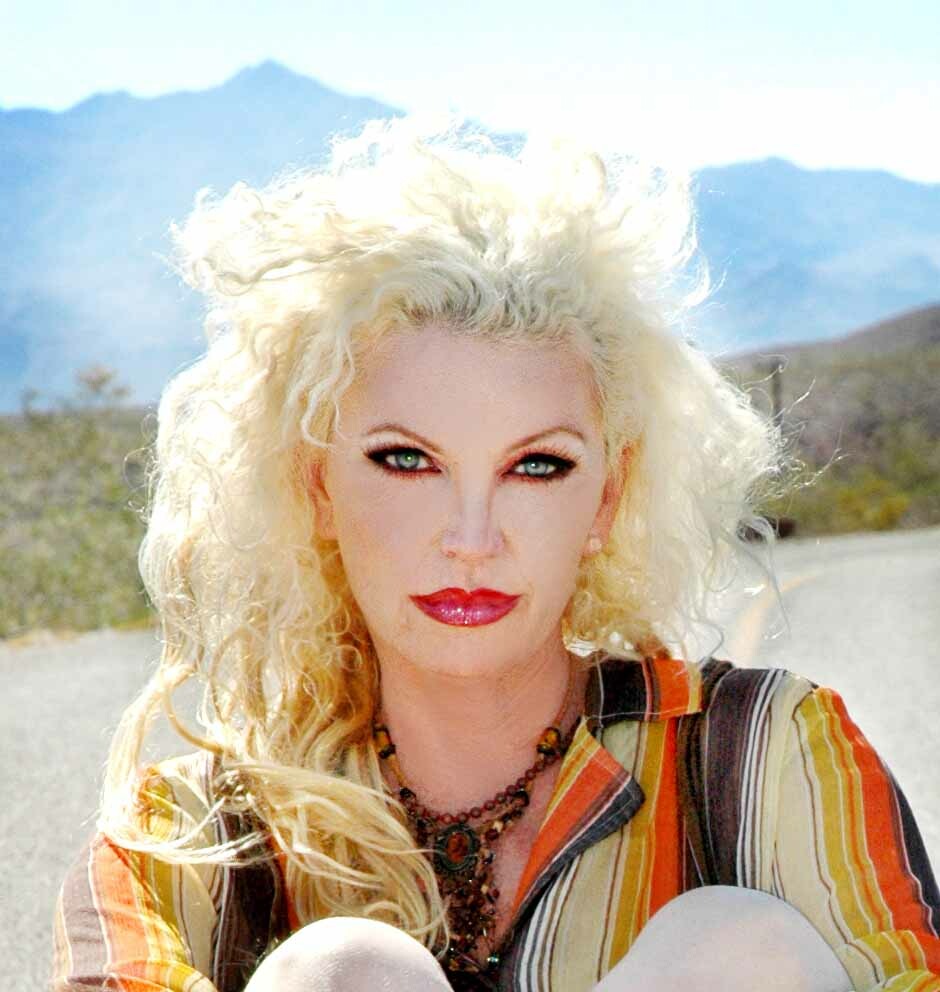
Carole Joyce is Vice President of From the Heart Productions and Director of the Roy W. Dean Grants. An award-winnnig filmmaker, she works closely with independent filmmakers to strengthen their projects, improve their grant applications, develop funding strategies, and move their films toward completion.
Through From the Heart’s grant, fiscal sponsorship, and educational programs, she helps filmmakers bring meaningful stories to audiences.