
Award-Winning Short Film Secrets from Filmmaker and Educator Rae Shaw
by Carole Dean
What separates a short film that gets overlooked from one that wins awards, captivates audiences, and opens doors for its creator?
According to filmmaker, educator, curator, and author Rae Shaw, the answer isn’t money, expensive equipment, or industry connections. It’s something much more powerful: authenticity, preparation, imagination, and the courage to tell a story that only you can tell.
In a recent episode of The Art of Film Funding Podcast, Rae shared insights from her acclaimed book The Short: Writing Tools to Free Your Imagination, offering filmmakers a practical roadmap for creating memorable short films.
One of the most inspiring things Rae said was:
“I wanted to create a space of yeses in an industry of nos.”
That philosophy runs throughout her work and offers encouragement to filmmakers at every stage of their journey.

Rae Shaw’s 10 Steps to Creating an Award-Winning Short Film
1. Stop Thinking of Shorts as Only Practice Films
Many filmmakers see short films solely as stepping stones to features. Rae disagrees.
She believes short films are their own art form—one with unique creative freedom and enormous potential.
“There’s more possibility for fun. There’s more possibility for play.”
Because there is less financial risk, filmmakers can experiment, innovate, and discover their unique voice.
2. Start with a Story Only You Can Tell
Rae’s most important advice is simple:
“Make the film that no one else can make.”
The strongest short films come from personal experiences, passions, questions, and observations. Audiences connect with authenticity.
Practice and Play exercises in the book help to draw out these connections for filmmakers.
3. Focus on Theme Before Plot
Many filmmakers concentrate on what happens in the story. Rae encourages them to focus on why it matters.
Ask yourself:
- What is this film really about? And how does that connect to me personally?
- What emotional experience do I want audiences to have?
- What conversation do I want to start?
A strong theme becomes the thread that ties every creative choice together.
4. Define Your Intention
Before writing a single page, answer this question:
What is the purpose of this film?
Rae suggests that finding the purpose of the film can help to dictate the form.
Do you want to inspire? (a narrative genre film?)
Challenge? (an experimental film?)
Educate? (an educational film?)
Reveal? (a documentary?)
Promote? (a commercial or a PSA?)
Move people emotionally? (a dramatic narrative?)
Knowing your intention will guide every storytelling decision.
5. Let the Story Find Its Own Structure
One of Rae’s most refreshing insights challenges conventional screenwriting advice.
Not every story fits a three-act structure.
Sometimes a short film reveals its own shape.
“You really have to see what the short itself is saying about the structure that it wants to become.”
Award-winning filmmakers listen carefully to the needs of the story instead of forcing it into formulas.
6. Surprise Your Audience
Rae believes great short films contain:
“The unexpected, the unpredictable, the novel.”
Audiences want to experience something fresh.
Ask yourself:
- What’s something specific to me that people haven’t seen before?
- How can I present this idea differently?
- What unique perspective can I bring?
7. Use the Resources You Already Have
This may be Rae’s most practical lesson.
Instead of asking what you need, ask:
What resources do I already have?
Locations.
Friends.
Family.
Skills.
Community connections.
Equipment.
Many successful short films are built around existing resources rather than waiting for perfect circumstances.
8. Don’t Shoot Before You’re Ready
According to Rae, one of the biggest mistakes filmmakers make is rushing into production.
“It’s about the story at the end of the day.”
Before filming:
- Refine the script.
- Strengthen the story.
- Clarify your vision.
- Make sure everyone understands the blueprint.
Preparation saves money, time, and frustration.
9. Think Beyond Funding
Money matters, but Rae encourages filmmakers to think more broadly.
Support can come in many forms:
- Crowdfunding
- Grants
- Sponsorships
- In-kind donations
- Community support
- Volunteer help
- Time (the one resource you can never get back!)
As Carol Dean noted during the interview, sometimes a filmmaker’s greatest resource is the friend who cooks meals, manages social media, or helps spread the word.
10. Keep Making Films
Perhaps Rae’s most powerful advice is also the simplest.
“Just keep making.”
Every project teaches something new.
Every film develops your craft.
Every mistake becomes experience.
“You’ll find your visual language. You’ll find your style.”
The filmmakers who build lasting careers are often the ones who never stop creating.
Why Short Films Matter More Than Ever
Rae sees short films everywhere today—from film festivals and museums to YouTube, Vimeo, social media, search engine tabs, and streaming platforms.
Short-form storytelling is no longer a side road.
It’s becoming a destination in itself.
Filmmakers are building audiences, careers, and sustainable creative practices through short content in ways that were unimaginable just a few years ago.
Want the Full Conversation?
This article only scratches the surface of Rae Shaw’s remarkable insights.
In the complete interview, Rae discusses:
- How to write compelling short film screenplays
- Finding theme and purpose in your stories
- Production strategies for independent filmmakers
- Funding and grant opportunities
- Distribution options for short films
- Emerging trends in short-form storytelling
- How underrepresented filmmakers are changing the industry
If you’re serious about creating meaningful, memorable, and award-winning short films, this is an interview you won’t want to miss.
Listen to the full episode of The Art of Film Funding Podcast to hear Rae Shaw’s complete roadmap for creating award-winning short films that resonate with audiences and advance your filmmaking career.
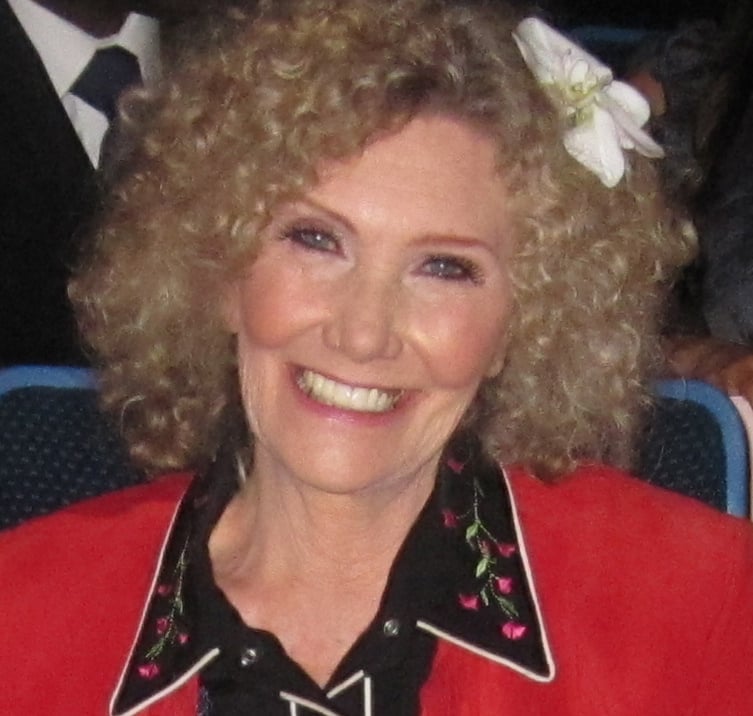
Carole Dean is president and founder of From the Heart Productions; a 501(c)3 non-profit that offers the Roy W. Dean Film Grants and fiscal sponsorship for independent filmmakers.
She is creator and instructor of Learn Producing: The Ultimate Course for Indie Film Production. Essential classes for indie filmmakers on how to produce their films.
She hosts the weekly podcast, The Art of Film Funding, interviewing those involved in all aspects of indie film production. She is also the author of The Art of Film Funding, 2nd Edition: Alternative Financing Concepts. See IMDB for producing credits