Emmy-nominated producer Simone Pero explains how indie filmmakers can connect artistic, commercial, and social impact to attract funders, partners, and audiences.
by Carole Dean
Many independent filmmakers begin fundraising inside a small circle.
They search for film grants, approach investors, apply to labs, and hope a distributor or major festival will recognize their work.
Those opportunities matter. But what if some of the strongest support for your film is waiting outside the traditional film industry?
Those opportunities matter. But what if some of the strongest support for your film is waiting outside the traditional film industry?
A project about equal pay may speak to women’s organizations, employers, and advocates. A documentary about music and aging may interest hospitals, researchers, and families. A film exploring abuse and memory may connect with organizations working to improve public policy and support survivors.
These connections can provide more than money. They can lead to advisors, community partners, audiences, media coverage, screenings, and new paths to distribution.
Emmy-nominated producer Simone Pero has built her career around finding these connections.

Through her signature Artists for Impact™ cohort program, she helps mission-driven artists move beyond traditional funding models and build real ecosystems of support around issue-driven work. She is also a sought-after public speaker and writer on the role of art and creative expression in social change.
On The Art of Film Funding Podcast, Simone offered a broader approach to financing—one that begins with the story’s meaning and expands into a plan for funding, partnerships, audiences, and social change.
Stories Can Carry an Issue Where Information Cannot
Simone’s approach grew from her public-policy work in Washington, D.C., including the Family and Medical Leave Act and other policies affecting working women and families. What remained with her was not the policy language, but the personal stories behind the issues.
“Policy and data matter, but they don’t necessarily move people,” she said. “Stories do.”
Research can establish a problem, statistics can show its scale, and policy can define what needs to change. A human story lets an audience experience that issue through another person’s life.
Simone began to see film as a bridge between information and human connection. A story can move someone from information to empathy and, when the film’s impact is carefully considered, from empathy to action.
This applies to documentaries and narrative films. A feature can explore healthcare, disability rights, trauma, or gender equity through its characters. The filmmaker does not have to sacrifice story for message; the issue can live within the characters’ experiences.
What human experience gives your issue a face? Where might viewers recognize their own lives? What can they feel that facts alone cannot communicate? These answers can strengthen the story and reveal who may help bring it into the world.
Balance Artistic, Commercial, and Social Impact
The foundation of Simone’s alternative film funding approach is a framework built around three connected areas: artistic impact, commercial impact, and social impact.
Artistic impact concerns creative clarity and craft. What experience do you want to create? What standards are you setting for the writing, directing, performances, cinematography, editing, and music? Which collaborators or artistic achievements could help realize that vision?
Commercial impact concerns the project’s financial structure and market life. How will it be financed? Will investors expect a return? Which audience and distribution possibilities support the model, and what is the film realistically positioned to recover?
Social impact concerns what the film can do in the world. Who needs to see it? What dialogue could it open? What awareness, education, behavior, policy, or community engagement could it support?
Simone recommends setting goals in all three areas and reverse engineering the plan. This gives funders a complete view of the project’s creative purpose, financial structure, audience, and life after completion.
I encourage filmmakers to use words such as goal, vision, mission, and plan with supporters.
Successful funders often built their careers by setting goals and pursuing a vision. They recognize that thinking and gain confidence that they are supporting more than an isolated production.
Alternative Film Funding Begins with a Wider Search
Moving beyond traditional funding does not mean abandoning film grants, labs, financiers, or investors. Simone places those opportunities in one category and encourages filmmakers to expand their search.
An ecosystem is a network of relationships, resources, institutions, and communities connected to the project’s artistic, commercial, or social goals. Prospect categories may include:
- Family, friends, and existing supporters
- Professional associations
- Alumni and educational connections
- Film grants, labs, and industry financing
- Nonprofits connected to the film’s issues or themes
- Foundations and philanthropists
- Companies, brands, and corporate sponsors
- Community organizations
- Researchers, educators, and subject-matter experts
- Media outlets and journalists
- Audiences personally affected by the issue
Not every category will produce a check.
A media partner may connect the film to a public conversation. A nonprofit might offer expertise, introductions, screening partners, or community access. A professional association could help reach people who already understand the issue.
Simone believes in “turning over every rock,” knowing many will reveal nothing. You do not need every prospect to say yes. A few aligned supporters—or a larger group contributing at different levels—may close the budget.
Begin with the people Simone calls your super fans.
Who believes in you, follows your work, shares your material, attends screenings, or opens doors? Then consider who may connect with this project, even if they do not know you yet.
Let the Issue Lead You to Aligned Partners
For The Tale, Simone and filmmaker Jennifer Fox began developing the social impact strategy while the script was still being written—before the film had been cast or the production budget raised.
The film addressed child sexual abuse, making some traditional Hollywood funders hesitant. The team looked instead for people who understood the issue’s urgency and believed film could help address it.
Their theory of change became central to conversations with donors, investors, and partners. By explaining how the story related to abuse and memory and what the film could make possible, they attracted philanthropic and impact-aligned investment. The strategy, Simone said, “wasn’t an afterthought. It was the foundation.”
She used a similar approach on Lilly, based on Lilly Ledbetter’s fight for equal pay. The historical and personal importance of the story created a powerful connection with mission-minded donors and investors. Nearly 200 investors, donors, and partners supported the film.
Independent films do not always need one person to supply the entire budget. Filmmakers can build communities of people who believe the story deserves to exist.
Give Funders a Social Return on Investment
Philanthropic funders often think about legacy. They want to know how their resources can advance an issue, strengthen a community, or create lasting change. Film can become part of that philanthropic portfolio.
Do not limit a donor conversation to completion costs. Explain what the film will do: how it could reach people who need it, support existing work, or humanize an issue the donor cares about. This is its potential social return on investment.
That return must be more specific than Sundance, Toronto, or Cannes. Festivals can bring recognition, publicity, sales, and credibility, but they are not a complete audience or impact plan.
As a grantor, I pay close attention when filmmakers describe distribution. Too many applications name major festivals without explaining who needs to see the film or how the filmmakers intend to reach those viewers.
A meaningful plan might include community screenings, educational use, advocacy partnerships, conferences, healthcare settings, grassroots events, or targeted digital distribution.
A strong proposal explains not only where a film may premiere, but where it belongs afterward.
Put Your Impact Strategy in Place Early
Early impact planning creates time to research the issue, understand communities, and build authentic relationships. It can also shape the deck, advisory team, fundraising language, audience strategy, and distribution.
On the documentary Viva Verdi, Simone worked with filmmakers Yvonne Russo and Christine La Monte as they reached a critical stage of production. She helped them bring in issue-aligned funders and also helped to place the film within broader conversations about active aging, elder care, music as medicine, and the relationship between the arts and brain health.
As Impact Producer, she also identified relevant organizations and explored healthcare connections, She was helping the team see the larger context without changing its vision.
The project later screened at Mount Sinai Hospital, where work connecting arts, medicine, and brain health was underway. Filmmakers can discover this kind of natural alignment by investigating where their subject is already generating research or action.
Follow the Energy Around the Issue
Funding does not happen separately from culture. Social change can affect whether people and institutions are ready to support a story.
This Changes Everything, about gender inequity in Hollywood, began production before the revelations surrounding Harvey Weinstein and the resurgence of #MeToo. As public attention grew, so did support. More prominent women became willing to speak on camera, and companies saw an opportunity to take a stand, helping bring in completion resources.
Filmmakers cannot predict cultural shifts, but they can pay attention. Has legislation, research, journalism, or a cultural event changed the conversation? Which organizations are responding, and what can the film contribute?
While consulting on Vow of Silence: The Assassination of Annie Mae, Simone researched responses to missing and murdered Indigenous women at the local, state, and federal levels. She examined public policy, affected communities, audiences, and groups already doing the work—what she calls finding where the energy is.
This research can reveal supporters and help filmmakers approach communities responsibly. When a film involves trauma, discrimination, illness, abuse, or loss, relationships cannot begin and end with requests for money or promotion.
Filmmakers must listen, learn, and respect the work already underway.
Start With Your North Star
Before researching prospects or asking for money, Simone begins with mindset and inner work. Her first step is getting clear about why the filmmaker is pursuing the story.
She asks:
- Why this story?
- Why now?
- What is beneath the film?
- What do you want the film to accomplish?
- Who do you want it to reach?
- How does it connect to something larger?
Simone calls artists “the first responders of social change” because they help us understand what is happening around us. That responsibility requires inspiration and clarity.
Your why cannot remain a vague promise to raise awareness. It should guide whom you approach, what you request, how you describe the film, where you screen it, and what you do after completion.
When that purpose is deeply understood, funding conversations become stronger. You can explain what drives the work, place it within a larger context, and identify who needs to join the journey.
A Practical Checklist for Expanding Your Funding Model
Before your next funding conversation:
- Define specific artistic, commercial, and social-impact goals.
- Write a clear answer to “Why this story, and why now?”
- Identify the people who already believe in you and your work.
- Organize prospects into categories rather than one long contact list.
- Research nonprofits, foundations, associations, companies, educators, experts, and communities connected to the subject.
- Learn what is happening around the issue in culture, media, research, and public policy.
- Develop a theory of change explaining what the film could make possible.
- Show funders both the financial structure and potential social return.
- Describe your audiences more specifically than “the general public.”
- Create an audience and impact plan extending beyond major festivals.
- Approach affected communities with respect and a willingness to listen.
- Track relationships, introductions, follow-ups, and next steps.
- Revisit the strategy as the film and the world around it change.
Continue Developing Your Social Impact Strategy
Filmmakers can learn more about Simone Pero and her Artists for Impact™ cohort program at www.forimpactproductions.com.
Her free guide, Your North Star for Social Impact, offers prompts to help filmmakers clarify what drives their work, identify the audiences they want to reach, and connect their films to a larger purpose. It is available at www.forimpactproductions.com/guide/.
Move Forward with Alignment and Responsibility
The inner and practical sides of filmmaking are not separate. Your intuition may say a story must be made, but that conviction asks you to understand its purpose, choose collaborators carefully, create a responsible budget, learn from affected communities, and build a thoughtful path to the audience.
Alignment does not mean waiting until every decision feels effortless. It means making deliberate choices that remain connected to the reason you began.
Traditional funding may remain part of your journey. So may a philanthropist, nonprofit, healthcare institution, alumni connection, corporate partner, grassroots organization, or 200 people who believe the story deserves to exist.
The filmmaker’s responsibility is to keep listening, researching, building relationships, and moving forward without losing sight of the work itself. Self-trust provides the direction. A clear strategy gives that direction form.
Consistent action is what carries the film into the world.
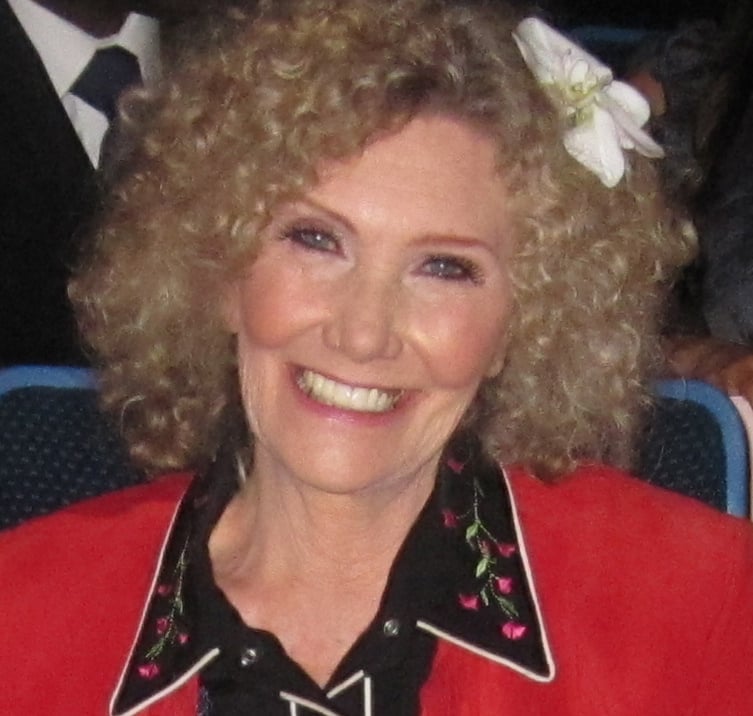
Carole Dean is president and founder of From the Heart Productions; a 501(c)3 non-profit that offers the Roy W. Dean Film Grants and fiscal sponsorship for independent filmmakers.
She is creator and instructor of Learn Producing: The Ultimate Course for Indie Film Production and Filmmaker Acountability Circle. Available on From the Heart’s new Thrive Education Platform for indie filmmakers.
She hosts the weekly podcast, The Art of Film Funding, interviewing those involved in all aspects of indie film production. She is also the author of The Art of Film Funding, 2nd Edition: Alternative Financing Concepts. See IMDB for producing credits