
Filmmaker Jonathon Smith explains how AI, vertical content, direct theatrical access, and rising marketing costs are changing what independent producers must prepare for
by Carole Dean
Independent film distribution is no longer a decision filmmakers can postpone until their films are finished.
The familiar plan was to raise the money, complete the film, find a distributor, and let that company handle marketing and release. That path was never easy, but the responsibilities appeared to be clearly divided.
Today, those divisions are disappearing.
Today, those divisions are disappearing.
Filmmakers are increasingly expected to think like producers, marketers, audience builders, and distributors—sometimes before shooting a single frame. Artificial intelligence is reducing production costs in certain formats. Vertical platforms are changing viewing habits. New theatrical models may give filmmakers more access while transferring more financial risk to them.
Jonathon Smith explored these changes during our Learn Producing Class. I call Jonathon a Renaissance filmmaker because he has one foot in traditional filmmaking and the other in the developing world of AI. As a writer, director, producer, and filmmaker, he looks at new technology in practical terms: Where can it save time, expand possibilities, and help filmmakers make better decisions?
His message was clear. Independent filmmakers may gain more control, but that control will require greater preparation.
AI Is Changing the Economics of Vertical Content
Vertical films and episodic dramas created for phones appear to offer filmmakers a new format and another path outside traditional film and television. Jonathon cautioned filmmakers to look closely at the economics before entering this market.
He pointed to vertical-drama platforms such as ReelShort, where, he said, some romance and drama content is being created largely with AI video tools. Productions that once required actors, directors, locations, studios, and crews can increasingly be made by very small teams.
The concern is not only that production costs are falling. According to Jonathon, these platforms are not necessarily experiencing a corresponding decline in revenue. If viewers continue watching, a platform can produce more content, test more ideas, and expand quickly without maintaining a traditional production structure.
Writers may remain important longer than some other production roles, but Jonathon also warned them to study their contracts. They need to know whether their work may be used to train an AI system and what rights they surrender when accepting an assignment.
Before pursuing a vertical series, filmmakers should ask:
- Which genres are performing well?
- Is the platform commissioning original work or generating content internally?
- How are writers, actors, directors, and producers compensated?
- Does the contract permit AI training or reuse of creative work?
- Can the project generate revenue beyond one platform?
Jonathon currently sees the strongest commercial demand in romance and romantic dramedy. Filmmakers working in other genres will need an especially clear audience and revenue strategy.
A Subscription Model Still Requires Continuing Value
A direct subscription model may offer an alternative to platform-controlled content. Like writers on Substack, filmmakers could ask viewers to pay monthly for ongoing access to their work.
This provides a direct audience relationship, but viewers have financial limits.
“There’s only so many subscriptions an average person can have,” Jonathon observed.
A viewer may already pay for streaming platforms, newsletters, YouTube memberships, AI services, and other digital products. Even a loyal fan may be able to support only three to five individual creators.
Jonathon referenced possible creator-platform splits in the 80/20 or 70/30 range, while making clear that he was estimating rather than describing confirmed terms. Whatever the percentage, filmmakers must determine how many paying subscribers they can realistically attract and how long those people are likely to remain.
One film may earn attention, but a membership needs a continuing reason to exist. That could include episodic stories, behind-the-scenes access, live conversations, educational resources, or a community connected to the film’s subject.
The model should be built around what the audience values—not simply the filmmaker’s need for recurring income.
Educational Content Can Serve a Precise Audience
AI may be especially useful for educational content because it can reduce the resources required to serve a narrowly defined audience.
Jonathon compared today’s possibilities with children’s programs from the 1990s, such as Barney and The Magic School Bus. Those programs could require teams of 30, 50, or even 100 people. New tools may allow smaller teams to create meaningful material for children, teachers, parents, schools, or community organizations.
The opportunity is not simply to produce educational content at a lower cost. It is to design that content around a specific need and a clear plan for how it will be used.
Instead of saying a program is “for children,” filmmakers can identify the age group, subject, learning objective, setting, and purchaser. They might develop short lessons, themed episodes, discussion materials, or other resources that fit naturally into a classroom or educational program. The viewers may be children, but the customer could be a school, teacher, parent, nonprofit, or community organization.
Jonathon also discussed premium educational programs that combine content with direct access to an instructor or coach. He gave the example of a program priced at approximately $5,000, noting that four enrollments would generate $20,000 in gross revenue.
That does not mean every educational filmmaker should charge $5,000. It means filmmakers should consider whether their knowledge can become a focused program with a measurable outcome. Before choosing this path, they need to identify who will pay, how the program will reach them, what result it provides, and how much personal support is needed to justify the price.
Direct Theatrical Access May Shift the Risk
Jonathon also discussed reports that AMC was exploring ways for independent filmmakers to approach the theater chain more directly. Full details had not been released at the time of the class, so Jonathon presented three possible scenarios—not confirmed terms.
First, theater representatives or sales agents might attend festivals and select films they believe can perform. The theater company could then negotiate a significant share of the revenue while taking a more active role in the release.
Second, a filmmaker might propose a targeted release in selected cities, states, or regions. The filmmaker would need to demonstrate that the film has an audience in those communities and raise the print and advertising budget, commonly called P&A.
Third, a filmmaker seeking a wide release might need to raise an additional $500,000, $700,000, or even $800,000 for marketing and theatrical placement.
Direct access could remove a distributor from the arrangement, but it would not eliminate the cost of attracting an audience. If the filmmaker pays for the release and ticket sales are weak, the theater still receives its agreed-upon fees or share. The filmmaker must bear the loss and answer to investors.
The opportunity is access. The danger is mistaking access for demand.
Marketing Must Be Part of the Original Budget
Filmmakers can now use aggregators to reach digital services, buy advertising through platforms such as Meta, and potentially approach theaters more directly. But every new access point transfers more work to the producer.
“A lot of burden is going to be placed on the filmmaker now,” Jonathon said, “not just to make the film, but how are you going to raise money now to get it distributed?”
That question should be answered during development—not after picture lock.
A filmmaker who spends the entire budget on production may discover that another 50% to 100% is needed to advertise and distribute the finished film. Investors who believed they had financed a complete project may be surprised when the producer returns for substantially more money.
Even when the final release method is unknown, the budget should anticipate audience development, deliverables, publicity, advertising, festivals, legal expenses, and distribution.
Distributors May Become More Selective
Direct access does not guarantee greater leverage for filmmakers.
Jonathon warned that distributors may become less willing to offer minimum guarantees or finance P&A. Some may argue that if filmmakers can arrange their own releases, strong projects should also be capable of attracting the money needed to market them.
Major distributors will still pursue films they believe can achieve substantial commercial success, particularly those with recognizable talent, a powerful concept, proven audience interest, or a strong market position. Boutique distributors without valuable marketing relationships may face greater pressure as filmmakers work directly with aggregators, advertising platforms, and theater chains.
A distribution offer should therefore be evaluated by what the company will contribute—not merely by its promise to release the film. Filmmakers need to understand:
- Who pays for marketing and deliverables?
- Which expenses will be charged back to the film?
- How and when will revenue be reported?
- Which rights will the distributor control?
- What audience or industry relationships does the company provide?
As Jonathon put it, “Distribution is always hard.” New routes may change the process, but they do not eliminate the work.
A Built-In Audience Changes the Conversation
Jonathon cited creator-led projects such as Markiplier’s Iron Lung and The Backrooms as indications of how an established online audience can influence a film’s prospects.
A large following does not guarantee success, but it gives a filmmaker evidence. Email subscribers, views, community participation, event attendance, and previous purchases can help show who is interested and how they can be reached.
This is especially important when proposing a targeted theatrical release. It is stronger to say, “We have 18,000 engaged followers in these five cities, and 2,000 have joined our release list,” than to claim that people everywhere will want to see the film.
Filmmakers do not necessarily need millions of followers. They need credible information about who cares, where those people are, and what action they are willing to take.
An Independent Film Distribution Checklist
Before production begins, filmmakers should be able to address these questions:
- Who is the film’s most specific audience?
- Where does that audience already gather?
- What evidence shows that they will watch, attend, subscribe, or purchase?
- Which release paths fit the film: festivals, educational licensing, direct sales, streaming, targeted theatrical, or a combination?
- How much should be reserved for marketing, P&A, deliverables, legal work, and distribution?
- Does the team include someone responsible for audience development?
- Could short-form, vertical, or educational versions extend the film without weakening its purpose?
- Do contracts clearly address ownership, AI use, training rights, and reuse of creative work?
- What will a distributor or platform contribute beyond access?
- How will investors be told about distribution costs and risks?
- What consistent communication will keep the audience connected through production and release?
Greater Control Requires Greater Clarity
Jonathon described a future in which “the filmmaker is not only going to have to make the film, but they’re going to have to figure out how to market it and distribute it themselves.”
I see that as both a warning and an invitation.
Filmmakers may gain more direct access to audiences, platforms, educational markets, advertising tools, and theaters. But access is not the same as readiness, and lower production costs do not automatically create a sustainable career.
The story, budget, audience, format, team, and release plan must support one another. Filmmakers cannot control every technological or industry change, but they can decide which tools serve their work, which rights must be protected, and which audience relationships deserve consistent attention.
Self-trust matters, but it must be joined with practical responsibility. When filmmakers understand why they are making the film, who needs it, what it will cost to reach them, and which compromises they will not make, they can move forward with greater confidence.
The industry will continue to change. The filmmakers best prepared to move with it will be those who remain open to new possibilities without surrendering their judgment—and who plan not only to finish their films, but to carry them all the way to their audiences.
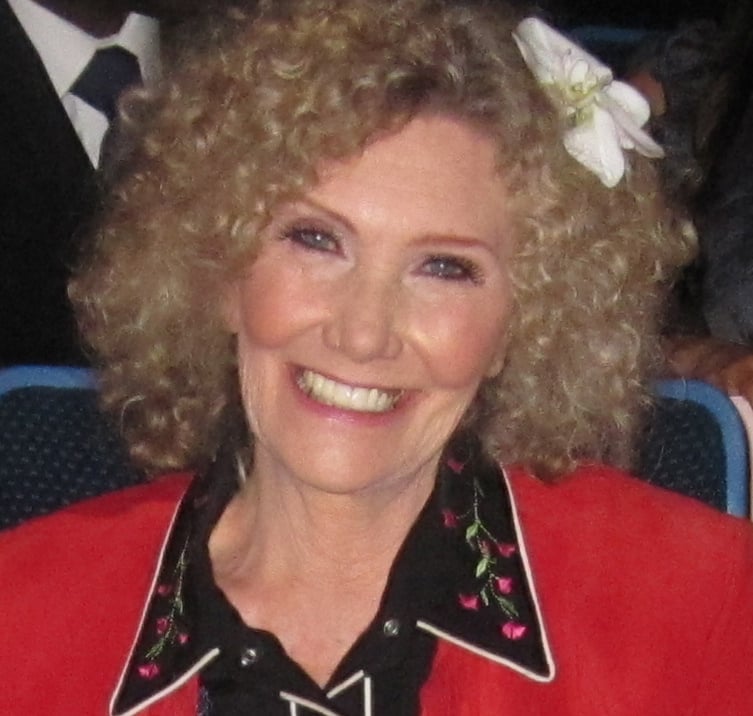
Carole Dean is president and founder of From the Heart Productions; a 501(c)3 non-profit that offers the Roy W. Dean Film Grants and fiscal sponsorship for independent filmmakers.
She is creator and instructor of Learn Producing: The Ultimate Course for Indie Film Production and Filmmaker Acountability Circle. Available on From the Heart’s new Thrive Education Platform for indie filmmakers.
She hosts the weekly podcast, The Art of Film Funding, interviewing those involved in all aspects of indie film production. She is also the author of The Art of Film Funding, 2nd Edition: Alternative Financing Concepts. See IMDB for producing credits