Jessica Lee Wrabel reveals how purpose, preparation, community, and honest outreach help meaningful stories reach the screen.
by Carole Dean
There comes a moment in every filmmaker’s journey when the dream is no longer enough by itself.
The story may be powerful. The calling may be clear. The vision may be alive in your heart. But then the practical world arrives: funding, pitch decks, grants, relationships, audience building, distribution, and the daily discipline of continuing when the path is not yet visible.

This is the moment where many filmmakers either become discouraged—or become producers.
Producing is not simply raising money or managing logistics. Producing is the art of holding the vision steady while building the structure that allows it to live in the world. It requires creativity, spiritual stamina, honesty, relationship-building, and what Jessica Lee Wrabel called one of the most important words in filmmaking: “Tenacity.”
In a recent conversation on The Art of Film Funding Podcast, I spoke with actress, producer, and filmmaker Jessica Lee Wrabel about her journey creating meaningful faith-based films, raising funds, building relationships, and staying aligned with the deeper purpose of her work. Her story offers valuable guidance for independent filmmakers who are trying to bring heartfelt stories to completion without losing themselves in the process.
Start With the Story That Will Not Leave You Alone
Jessica began as an actress, searching for projects that felt meaningful. Over time, she realized she wanted to create work that reached people at a deeper level. She said, “There needs to be more quality work that is meaningful and meaningful that can reach to people’s hearts to encourage them, to show them that they’re not alone.”
That is a powerful place for a filmmaker to begin.
The strongest films often come from a story that keeps calling us. Jessica’s documentary work around mental health, addiction, faith, and healing grew from a desire to help people feel seen. Her current project, centered on postpartum depression, comes from her own personal experience and from a deep wish to help families understand what so many women silently endure.
She described the purpose clearly: “My heart behind it is to help people be seen, heard, and affirmed in their struggle.”
That is the kind of clarity every filmmaker needs. Before you ask for money, before you build a team, before you approach a distributor, ask yourself: Who needs this film? What pain, question, or longing does it address? What transformation do I hope the audience experiences?
When your answer is honest, specific, and human, people can feel it.
Tenacity Is the Backbone of the Filmmaker
Every filmmaker has obstacles. The money is not there yet. The grant did not come through. The investor wants to see more. The script needs another draft. The schedule falls apart. The audience is still being built.
This is not failure. This is filmmaking.
Jessica shared a story from her time at USC, when Henry Winkler wrote one word for her on a magazine: “Tenacity.” Years later, when she worked with him on set, he remembered the conversation and reminded her that tenacity had carried her forward.
I told Jessica during our conversation, “Tenacity is the backbone of the filmmaker.”
I have seen this again and again in my work with independent filmmakers. Talent matters. Vision matters. But the people who finish films are the people who keep going. They return to the grant application. They revise the pitch deck. They make the next call. They follow up with the donor. They learn from the rejection. They keep the vision alive without becoming rigid about the path.
Tenacity does not mean forcing. It means staying faithful to the work while remaining flexible about how the work comes into being.
Funding Begins With Relationships
One of the most important lessons Jessica shared is that funding is not mechanical. It is relational.
She said, “There isn’t a way to do things. There’s not a… You follow ABC steps and then voila, it’s going to happen.” Instead, she emphasized that film funding is “a lot of adjusting and people relationships.”
That is exactly right.
Filmmakers often want a formula: send this deck, make this call, apply to this grant, and the money will arrive. But funding rarely works that way. It grows through trust. It grows through clarity. It grows when people understand not only what the film is, but why it matters and why you are the person to make it.
Jessica raised funds by reaching out to friends, family, churches, and community members. She used fiscal sponsorship so donors could make tax-deductible contributions. She pursued local grants. She built conversations around the purpose of the project. She gathered materials that helped people understand the vision: pitch decks, footage, resumes, team information, and comparisons to similar films.
That is practical producing.
Filmmakers need to prepare their materials before they ask for support. A strong pitch deck, a clear budget, sample footage or a teaser when possible, a compelling synopsis, bios for the team, and a defined audience can make the difference between confusion and confidence.
You are not just asking people to give money. You are inviting them into a story, a mission, and a plan.
Do Not Apply Too Early—and Do Not Give Up
Grants are a vital part of the independent film ecosystem, but filmmakers often misunderstand the timing. Many apply before the project is developed enough to show its true potential.
In our conversation, I shared that I have seen filmmakers apply for our grant, not win the first time, return with a stronger project, and eventually become finalists or winners. Sometimes it takes two or three years. That does not mean the film is not worthy. It means the film is still becoming.
The key with grants is simple: do not give up. Keep going back.
Jessica echoed that lesson from her own life: “Grants got me through college. I just kept applying and no matter how big or how small, because everything adds up.”
That is a truth every independent filmmaker should remember. A $2,000 grant matters. A $5,000 donation matters. A small local grant matters. A donated location matters. An introduction matters. A volunteer crew member matters.
Everything adds up.
Funding a film is often a mosaic. Each piece may look small by itself, but together they build the path forward.
Be Honest With Investors and Donors
One of the most grounded pieces of guidance Jessica offered was about honesty. She warned filmmakers not to overpromise. She said, “Don’t have false confidence and don’t overpromise… You can’t say, ‘Oh, well, this film’s going to make 20X,’ because that’s rare and probably not true.”
This is important.
Independent filmmakers must learn to speak about both vision and reality. Confidence is essential, but inflated promises damage trust. When you talk to donors or investors, be clear about the purpose of the film, the audience, comparable projects, the intended path, and the risks.
For donation-based fundraising, especially through fiscal sponsorship, people may be moved by mission, impact, education, healing, or community value. For investment-based financing, people need proper legal structure, realistic expectations, and professional guidance.
If you are raising investment money, work with an entertainment attorney. If you are raising development funds through a nonprofit fiscal sponsor, understand how those funds can support the early work required to prepare the project properly.
Development is not a side issue. It is where the film becomes fundable.
Build Audience Before Release
Audience building does not begin when the film is finished. It begins when people are invited into the journey.
Jessica described how her neighborhood Bible study became emotionally invested in her documentary because she shared prayer requests, updates, and needs along the way. By the time the film was ready to screen, they felt connected to it. They had been part of the process.
This is a beautiful model for filmmakers.
You do not need to reveal everything. You do not need to give away the whole story. But you can share meaningful pieces: short videos, behind-the-scenes moments, testimonials, production stills, personal reflections, updates from the field, or glimpses into why the film matters.
Jessica had an idea during our conversation: to create short testimonial videos connected to the themes of the film without giving away the full story. That is smart audience building. It gives people an emotional doorway into the project.
People support what they feel connected to. They share what they understand. They show up for what they have been invited to care about.
Balance the Work With the Life That Sustains You
Jessica was honest about the personal cost of making films. She spoke about needing to remove things from her schedule, losing time with friends, and learning to rebuild balance. She also acknowledged the importance of family support, rest, and choosing what matters.
This is a lesson many filmmakers learn too late.
A film can require enormous devotion, but long-term creative work requires sustainability. You cannot build a meaningful body of work if you burn yourself out on one project. Producing asks for discipline, but also discernment.
What season are you in? What must be protected? What can be paused? Who supports you? Where do you need help? What kind of schedule allows you to continue without losing your health, your relationships, or your inner clarity?
The filmmaker’s energy is part of the film’s foundation. Protect it.
Practical Steps Filmmakers Can Take Now
If you are developing or funding an independent film, begin with these concrete actions:
Clarify the heart of the film. Write down who the film is for, why it matters now, and what transformation you hope it creates.
Prepare your materials. Build a strong pitch deck, budget, synopsis, team bios, visual samples, and a clear explanation of your audience.
Research grants carefully. Look for grants connected to your subject, location, identity, genre, or impact area. Apply, improve, and apply again.
Use fiscal sponsorship when appropriate. If your project qualifies, this can allow donors to support your film through tax-deductible contributions.
Build relationships before you need money. Keep people updated. Ask for advice. Share progress. Let them become part of the journey.
Create audience touchpoints early. Use short videos, testimonials, behind-the-scenes content, and thoughtful updates to help people understand the film.
Stay honest. Do not overpromise financial returns or exaggerate your position. Trust grows through clarity and integrity.
Protect your energy. Make room for rest, family, prayer, meditation, community, and the inner practices that keep you aligned.
Keep Choosing the Next Right Step
Independent filmmaking is not a straight road. As Jessica’s USC professor told her, “Everything is impossible, but there’s a million ways.”
That may be one of the best descriptions of filmmaking I have ever heard.
There is rarely one perfect path. There is the path you discover by listening, asking, adjusting, preparing, and continuing. There is the grant you apply for again. The person you follow up with. The new partner you meet unexpectedly. The footage that helps someone understand. The community that gathers around the story because you were brave enough to share it.
Your job is not to control every outcome. Your job is to stay aligned with the purpose of the film and keep choosing the next right step.
When your story comes from truth, when your materials are prepared, when your relationships are tended, and when your tenacity is stronger than your discouragement, the path begins to open.
Not all at once. Not always in the way you expected.
But enough to keep moving forward.
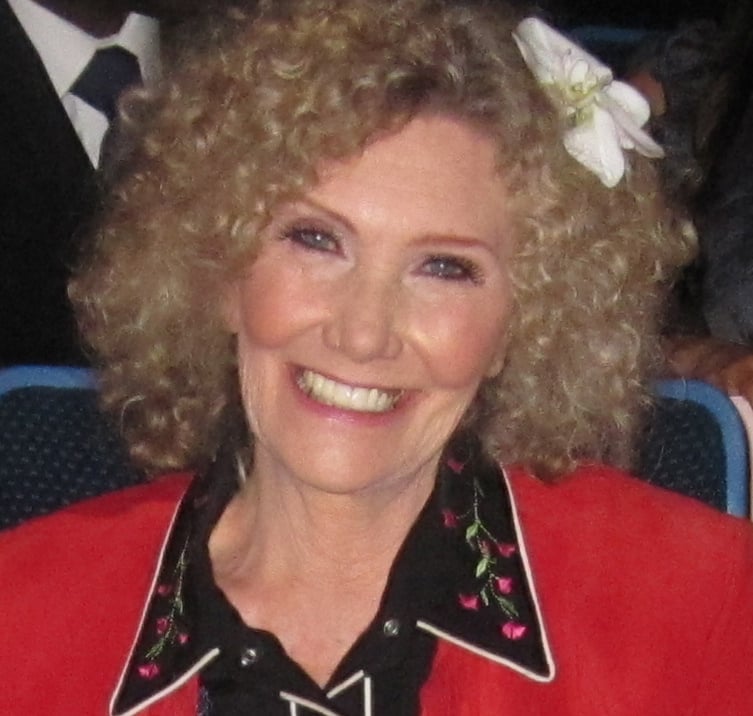
Carole Dean is president and founder of From the Heart Productions; a 501(c)3 non-profit that offers the Roy W. Dean Film Grants and fiscal sponsorship for independent filmmakers.
She is creator and instructor of Learn Producing: The Ultimate Course for Indie Film Production and Filmmaker Acountability Circle. Available on From the Heart’s new Thrive Education Platform for indie filmmakers.
She hosts the weekly podcast, The Art of Film Funding, interviewing those involved in all aspects of indie film production. She is also the author of The Art of Film Funding, 2nd Edition: Alternative Financing Concepts. See IMDB for producing credits