How to create a film festival strategy for choosing the right events, attracting press, building community, and creating paths to distribution
by Carole Dean
Finishing a film can feel like reaching the summit of a mountain. After years of development, production, editing, fundraising, revisions, and sacrifice, the picture is finally locked.
But for an independent filmmaker, picture lock is not the end of the climb. It is the moment the terrain changes.
The filmmaker who has spent years protecting the story must now learn how to introduce that story to the world. That requires a different kind of creativity—one grounded in strategy, communication, community, and persistence.
I recently spoke with filmmaker Xackery Irving about this important transition. I have known Xackery for more than 30 years, beginning when he pitched American Chain Gang at the first Roy W. Dean Film Grant event we held in New York. That documentary brought national attention to the cruel practice of chaining incarcerated men together and demonstrated the power of film to expose injustice.
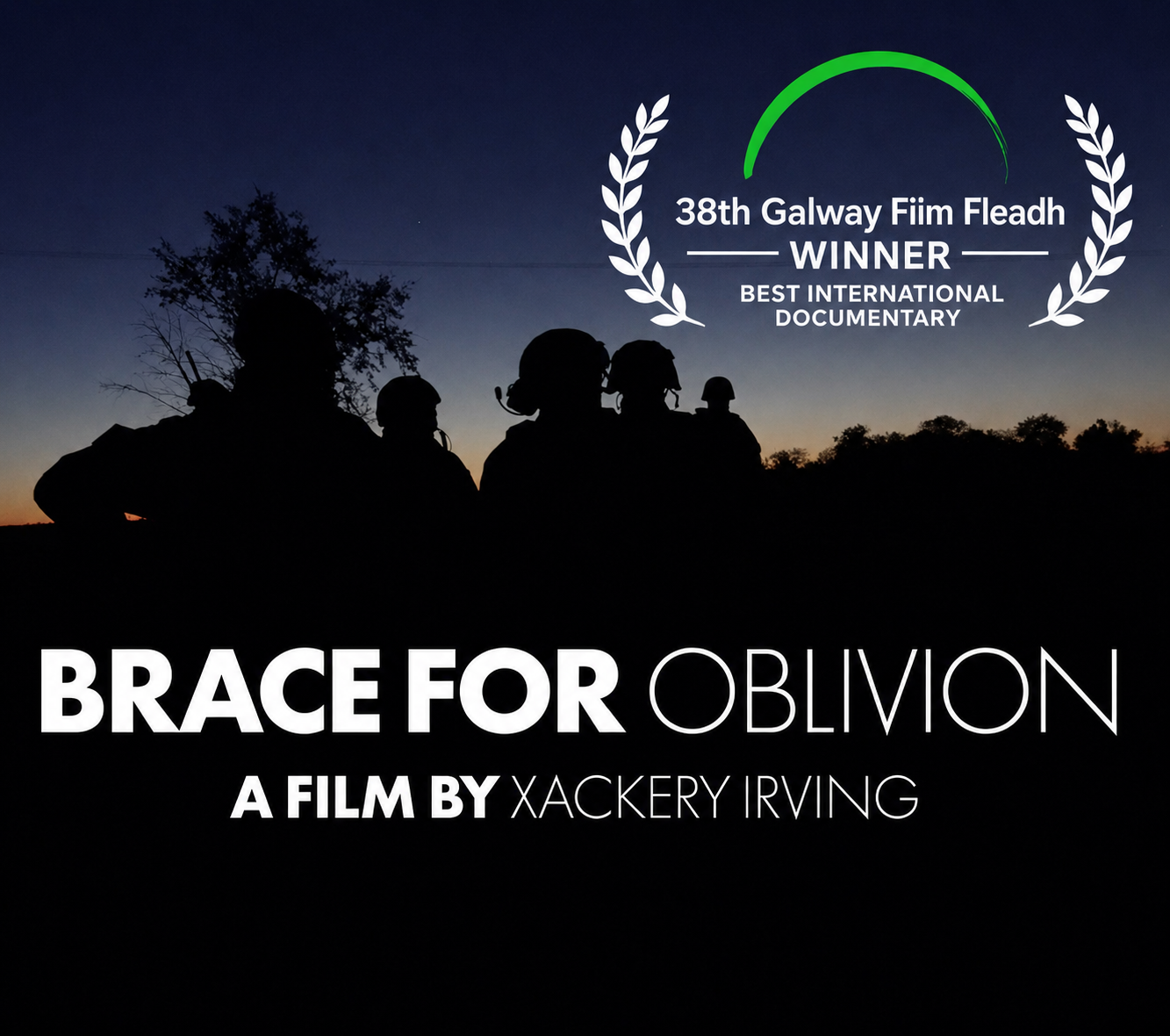
Since then, Xackery has produced hundreds of hours of nonfiction programming and continued making films centered on courage, survival, and human dignity. His latest documentary, Brace for Oblivion, follows Ukrainians who stepped forward to defend their country following Russia’s full-scale invasion.
The film had its world premiere at the Galway Film Fleadh, where it won Best International Documentary.
That remarkable beginning offers valuable lessons because Xackery approached the festival process as another stage of storytelling.
Sometimes the Story Chooses You
Xackery entered Ukraine without knowing exactly what the documentary would become. He initially imagined following journalists, photographers, and volunteers. Once he arrived, however, he realized that the heart of the story belonged to the Ukrainian people themselves.
“I wasn’t drawn to the war as much as I was drawn to the people,” he explained.
He encountered scientists, artists, students, engineers, former soldiers, and other ordinary citizens making extraordinary decisions. They were responding not only to an invasion, but to the possibility that their country, culture, and way of life could be erased.
The film ultimately became a portrait of seven people among the many thousands who stepped forward.
This is an important reminder for documentary filmmakers: we may begin with an idea, but we must remain available to the truth that emerges.
Xackery described filmmaking as entering a “storytelling vortex. You place yourself close enough to the subject that unexpected relationships, conflicts, and revelations begin moving around you. You cannot control everything. Your responsibility is to remain alert enough to recognize what the film is becoming.”
That flexibility does not end when production is over. It remains essential during festivals, outreach, marketing, and distribution.
“The storytelling guides you,” Xackery said. “As you’re finding your true north of what the story is, you’re also creating a storyline that will communicate to your audience.”
A filmmaker’s true north is not simply the plot. It is the underlying reason for the film.
Picture Lock Is Graduation Day
Many filmmakers understandably think that finishing the edit means the work is nearly complete. Xackery offered a more useful way to view that moment:
“This is graduation day.”
The film may be finished, but the filmmaker’s role changes. After picture lock, you may need to become a strategist, marketer, publicist, festival coordinator, community builder, and—in many cases—your own distributor.
That can feel unfair. Filmmakers are already expected to do so much. Yet accepting this change in responsibility allows us to prepare for it.
The old belief that a strong film will automatically rise to the top has never been a reliable strategy. Today, with thousands of excellent films competing for limited festival slots and audience attention, passivity is especially dangerous.
The filmmaker must build the path that carries the film forward.
This does not mean doing everything alone. It means identifying the work that must be done and assembling trusted people who can help. Some filmmakers are excellent at outreach. Others understand publicity, educational distribution, social media, event production, or community partnerships.
The goal is not to become an expert in every field. The goal is to ensure that each necessary responsibility is recognized and assigned.
Choose Festivals for Alignment, Not Prestige Alone
One of the most important questions in a festival strategy is not, “What is the biggest festival?”
It is, “Which festival is the right fit for this film?”
Prestigious festivals can be worthwhile goals, and filmmakers should not be afraid to take ambitious swings. But a strategy built only around famous names can quickly become expensive, discouraging, and disconnected from the film’s real audience.
Xackery encourages filmmakers to treat festival submissions as investments rather than lottery tickets.
“Do your research,” he said. “Find out what the goals of the festival are, what the ethos is, who the programmers are, what they’ve played before, and start to see how your film is aligned.”
Study each festival carefully:
- What kinds of stories does it consistently program?
- Does it serve a geographic, cultural, professional, or issue-based community connected to your film?
- Do its values align with the values of your project?
- Does it support meaningful filmmaker participation?
- Could the screening help you build lasting relationships?
- Is the festival positioned in a territory where your film could develop an audience?
Galway was a strong match for Brace for Oblivion. It is a respected festival with a grassroots spirit, and Ireland has a substantial Ukrainian community. Ireland’s support for Ukraine also made the location especially meaningful.
The selection was not merely prestigious. It was aligned.
That alignment gave the film a stronger foundation for press, attendance, community engagement, and conversation.
Do Not Just Attend a Festival—Create an Experience
Once a festival says yes, the filmmaker’s work is not finished.
“It wasn’t just buying a plane ticket and getting that DCP ready,” Xackery said. “It was preparing not just for the screening, but preparing an experience.”
This distinction is essential.
A screening shows the film. An experience gives the audience a reason to attend, engage, remember, discuss, and remain connected afterward.
Two experienced filmmakers advised Xackery to shift his thinking from what the festival could do for his film to what his film could do for the festival.
Festivals want meaningful events. They want engaged audiences. They want filmmakers who participate, communicate, and help fill seats. They want screenings that create energy within the larger festival.
For the Galway premiere, Xackery’s team was able to bring Junior Lieutenant Bohdan Patel, one of the documentary’s subjects, from Ukraine. Bogdan received permission from his commander to attend.
His presence transformed the screening. The audience was not only watching a story about Ukraine; they were meeting someone who had lived it and would soon return to the war.
The introduction, screening, and question-and-answer session became one continuous experience. The filmmakers invited people to arrive early, speak with the team, remain afterward, and continue the conversation informally.
That human connection reduced the distance between the people on the screen and the people in the theater.
Filmmakers should ask:
- Who could add depth to the screening?
- Could a subject, expert, activist, historian, artist, or community leader participate?
- What conversation should follow the film?
- How can the audience continue engaging after the credits?
- What can we provide that supports the festival’s own mission and community?
The value you bring may be a compelling guest, a strong local partnership, educational material, a panel discussion, a performance, or simply a thoughtful, accessible filmmaker team.
Journalists Cover Stories, Not Press Releases
Filmmakers frequently ask how to attract press attention.
Xackery’s answer was simple and important:
“Journalists aren’t covering movies. They’re covering stories.”
A generic press release announcing that a film will screen at a festival is rarely enough. The filmmaker must identify the larger story surrounding the film.
For Brace for Oblivion, potential angles included Ukraine, human rights, international affairs, documentary filmmaking, frontline production, the experiences of ordinary citizens during war, and the presence of one of the film’s subjects at the premiere.
Each angle could matter to a different journalist, newspaper, podcast, television program, or community publication.
Instead of sending the same message to everyone, identify the people whose audiences already care about the subjects your film explores.
Then explain why the story matters to them.
As Xackery put it, the message should be: “This is the story that’s important to me, and this is why it might be important to your audience.”
That approach is not promotional manipulation. It is thoughtful alignment.
Build Community Before You Need It
Community outreach is not simply a way to sell tickets. It is how a film begins forming relationships with the people for whom it may hold the greatest meaning.
For Galway, the team connected with the Embassy of Ukraine in Ireland, Ukrainian community groups, local filmmakers, journalists, and people using Telegram, WhatsApp, Instagram, and other community channels.
They also created videos in Ukrainian inviting people to attend the screening.
This mattered because the outreach spoke directly to the community rather than speaking about it from a distance.
Filmmakers should identify the communities that naturally intersect with their story:
- Who is already discussing the film’s subject?
- Which organizations serve the people represented?
- Which professional associations, nonprofits, schools, libraries, faith communities, cultural groups, or advocacy networks share an interest in the subject?
- Who already has the trust of the audience you hope to reach?
Begin with shared purpose. Do not approach people only because you want them to promote your film.
Xackery advises filmmakers to ask what intersects with a potential supporter’s values and mission. When that connection is genuine, you are no longer asking for a favor. You are exploring a partnership.
Capture the Relationship
During our conversation, I asked Xackery whether he collected email addresses from people who attended the Galway screening.
He had gathered names, social media contacts, and WhatsApp connections, but he acknowledged that he had not built a formal email list at the event.
His response was refreshingly honest: “Building that email list is essential.”
I still recommend the simplest tool in the world—a clipboard, lined paper, and a clear invitation:
“Please keep me informed about this film.”
A digital sign-up form or QR code can also be helpful, but do not assume technology will do all the work. Make the invitation visible. Mention it during the introduction and again after the screening. Give people a reason to stay connected.
An email list is not merely a collection of addresses. It is a record of people who have already raised their hands and said, “This story matters to me.”
Those people can become future attendees, supporters, donors, educational partners, advocates, and ambassadors. They may also follow your work beyond this single film.
As Xackery said, “You’re not just collecting followers. You’re building relationships.”
Document the Making of the Film
Filmmakers should begin building audience connections long before the premiere.
Xackery created short behind-the-scenes videos about the production of Brace for Oblivion. He recommends that filmmakers document their work even during the writing and development stages.
The purpose is not to turn every creative moment into an advertisement. It is to extend the storytelling experience.
Audiences are naturally curious about how films are made. They want to understand why a filmmaker chose a subject, how trust was built, what challenges arose, and what changed during production.
Short videos might explore:
- Why you began making the film
- Your personal connection to the subject
- A creative or ethical decision
- A production problem and how the team solved it
- The work of a crew member
- A moment that changed your understanding of the story
- What you are learning from audiences
- Where the film is going next
This material allows viewers to meet the filmmaker behind the film. By the time they attend a screening, they may already feel connected to the journey.
Build the Infrastructure for Distribution
Self-distribution requires more than uploading a film to a platform.
Xackery identified several foundational assets every independent film should have:
- A professional website
- A strong trailer
- Key artwork
- A press kit
- An email list
- A growing list of community partners
- A grassroots outreach strategy
- A plan for educational and institutional distribution
- A strategy for festivals, broadcasters, streamers, sales agents, or other appropriate outlets
These materials form the infrastructure that allows opportunities to become action.
A journalist needs accessible information and images. A festival needs deliverables. A community partner needs language that explains the film’s relevance. An educator needs to understand how the film could be used. An audience member needs to know where to sign up and what happens next.
Independent filmmakers are builders.
We build the film, the team, the audience, the partnerships, the distribution channels, and the systems that keep the work moving.
Use Festivals to Learn Where the Film Belongs
A festival run can do more than generate reviews and laurels. It can help reveal the true market for the film.
Years ago, a filmmaker told me she took her documentary to approximately 50 festivals. At each screening, she asked audience members where they believed the film belonged.
Their answers helped her discover unexpected audiences, including people in correctional institutions and hospital recovery programs who connected deeply with the film’s message of determination.
The audience helped shape the distribution strategy.
Filmmakers can ask after screenings:
- Who else needs to see this?
- What organizations would respond to this film?
- Where could this film be useful?
- What conversations should accompany it?
- Which communities are missing from our current outreach?
- What did you find most meaningful or surprising?
Listen carefully. Audiences may see applications, communities, and distribution pathways that the filmmaker has overlooked.
Awards Change the Conversation, Not the Film
Winning Best International Documentary at Galway brought valuable attention to Brace for Oblivion. Journalists became more responsive, and new opportunities began appearing.
But Xackery offered an important warning about chasing recognition.
“Awards don’t change your film,” he said. “They change the conversation around your project.”
An award can create credibility, curiosity, and momentum. It can become a reason to contact journalists, festivals, partners, and potential distributors again.
But the film must still deliver.
The relationships built at the festival—with audiences, programmers, staff members, journalists, and community partners—may ultimately be as valuable as the award itself.
Celebrate recognition. Use it strategically. Then continue the work.
Rejection Is Not the End of the Story
This is an intensely competitive period for independent filmmakers. Excellent films will be rejected simply because there are more worthy submissions than available screening slots.
Rejection can feel personal, especially when years of work and personal savings are invested in the project.
Strategy matters. Research matters. Presentation matters. But perseverance also matters.
A festival is one possible gate to an audience. It is not the audience itself.
“Your film might have a life of its own,” Xackery reminded us.
That life may unfold differently than expected. A festival audience may identify a new market. A community organization may become a screening partner. A short behind-the-scenes video may attract attention. A conversation after a screening may lead to an educational opportunity. A rejection may redirect the film toward a more aligned home.
The filmmaker’s responsibility is to remain flexible without losing sight of the film’s central purpose.
Keep Moving Toward the Audience
The journey after picture lock asks filmmakers to hold two truths at once.
You must remain deeply connected to the heart of the story, and you must make practical choices about how the film will move through the world.
You need intuition and organization. Courage and research. Flexibility and discipline.
Most of all, you need alignment.
Choose festivals that understand the film. Approach journalists whose audiences care about the subject. Build partnerships around shared values. Invite viewers into a genuine relationship. Create an experience rather than simply presenting a screening.
Not every path will open. Not every submission will succeed. The rollout may change as the film teaches you where it belongs.
That uncertainty is not separate from filmmaking. It is part of it.
As Xackery said, disruption and chaos are part of storytelling. We do not control every outcome, but we can choose how thoughtfully we respond.
Listen to the film. Listen to the audience. Trust the relationships that are forming, and keep moving forward.
There will always be a hunger for meaningful stories. Our work is to build the bridge that allows those stories to reach the people who care about them.
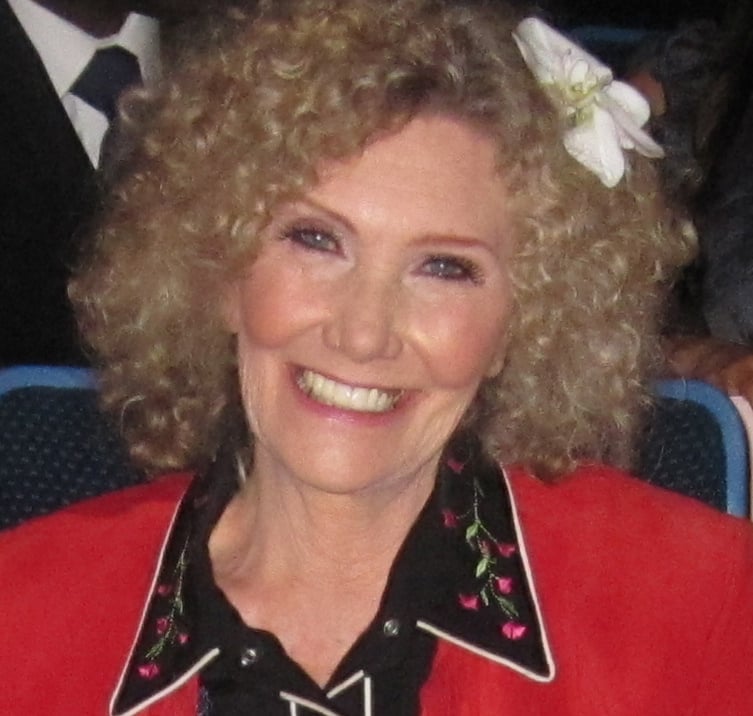
Carole Dean is president and founder of From the Heart Productions; a 501(c)3 non-profit that offers the Roy W. Dean Film Grants and fiscal sponsorship for independent filmmakers.
She is creator and instructor of Learn Producing: The Ultimate Course for Indie Film Production and Filmmaker Acountability Circle. Available on From the Heart’s new Thrive Education Platform for indie filmmakers.
She hosts the weekly podcast, The Art of Film Funding, interviewing those involved in all aspects of indie film production. She is also the author of The Art of Film Funding, 2nd Edition: Alternative Financing Concepts. See IMDB for producing credits