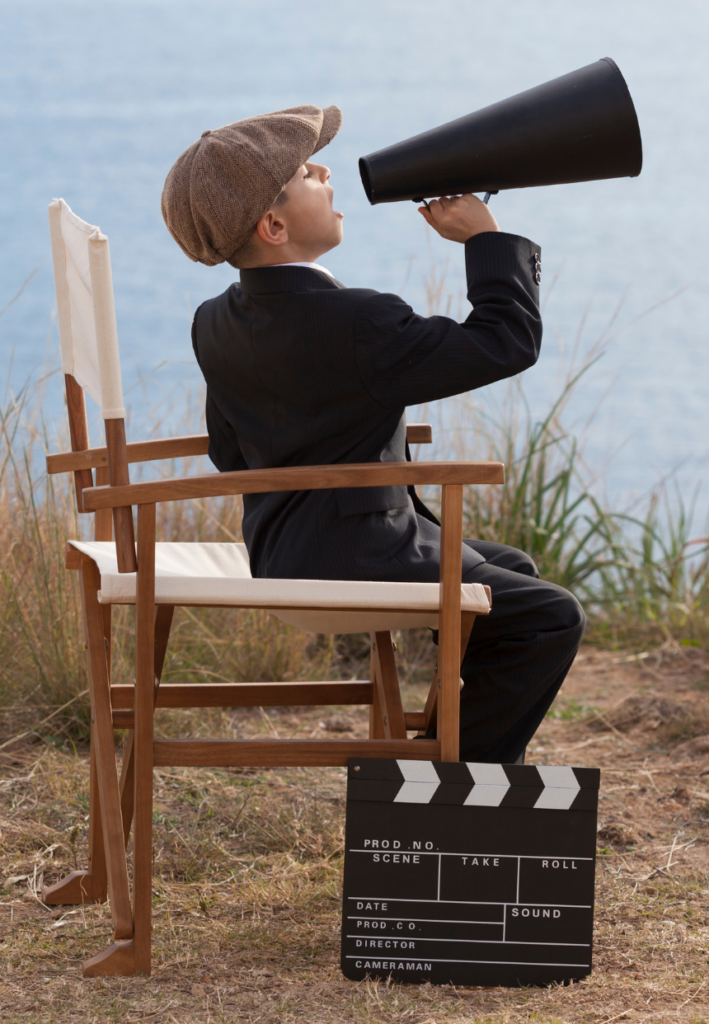
Steven Lifshey shares how to choose an editor, prepare your footage, protect your post-production budget, and shape a story that moves audiences and supporters.
by Carole Dean
A filmmaker may leave a set certain the story is captured, then discover in the editing room that a crucial reaction is missing or the footage tells a different story than the script. Those discoveries affect budgets, fundraising, and whether the film gets finished.
That is why film editing for independent filmmakers should begin long before an editor makes the first cut.
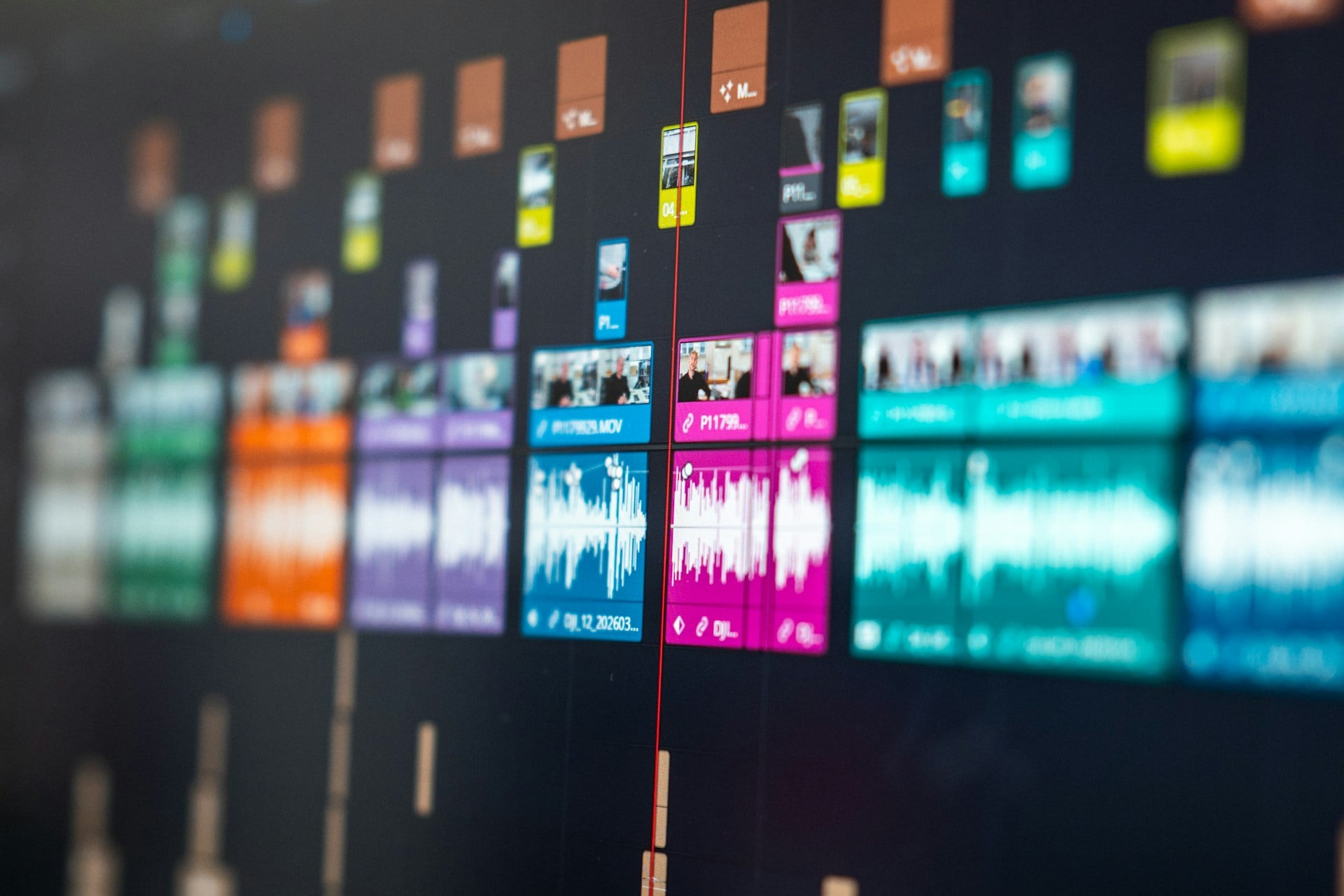
On The Art of Film Funding Podcast, I spoke with Steven Lifshey, who has spent approximately three decades editing television programs, films, and promotional material for major networks while also writing, directing, and editing independent projects.
What impressed me was his understanding of both sides of the relationship: the professional editor’s obligation to tell the strongest story and the independent filmmaker’s responsibility to protect limited resources.
Steven offered practical guidance that can help filmmakers save money, avoid unnecessary delays, build better relationships with editors, and discover the emotional power within their footage.
An Editing Career Built on Adaptability and Follow-Through
Steven discovered his love of editing while making wedding videos. Early in his career, VHS-to-VHS edits could visibly degrade when repeated, so careful planning was essential.
He later learned Avid as nonlinear editing emerged, despite skepticism from people who believed the technology would never become widely accepted.
He watched post-production evolve from specialized facilities to network editing departments and, more recently, remote work influenced by streaming and social media.
His career also offers a wonderful lesson in persistence.
When a company told him it might need an editor in a year, Steven recorded that information and called back a year later. He secured an interview, but when he heard nothing afterward, he followed up again.
The company had misplaced his telephone number.
That one additional telephone call helped launch a professional career that would span decades.
I believe there is an important lesson here for every independent filmmaker. Keep good records, follow through on conversations, and do not assume that silence means rejection.
An opportunity may still be waiting for you to take the next step.
Film Editing for Independent Filmmakers Begins With Story
Despite enormous changes in technology, Steven’s central belief about storytelling has remained the same:
“The story lives in the emotion and the performance.”
Editing determines whose experience we follow and when viewers receive information.
The same footage can create suspense, surprise, dramatic irony, or humor depending on the order of shots, the reactions we see, the sound, and the pacing.
Steven considers editing his own films a continuation of directing.
This is something I want every independent filmmaker to understand. Your editor is not simply assembling the material you shot. Your editor is helping determine how the audience will experience your story.
Ask yourself:
What do I want my audience to feel, understand, and anticipate as this story unfolds?
That question should guide your editing decisions.
Let the Footage Tell You What You Actually Have
One of Steven’s strongest cautions is that the footage may not deliver exactly what the script or the experience on set suggested.
A performance can have a different emotional emphasis on screen. A favorite scene may slow the film. A quiet reaction may communicate more than a speech.
His standard is direct:
“If it doesn’t serve the story, it shouldn’t be there.”
Every edit, he says, should be intentional.
I know how attached filmmakers can become to moments they worked hard to shoot. But the hours spent achieving a shot do not make it essential to the finished film.
Look honestly at what the material offers, not just what you hoped it would offer.
Ask whether each sequence advances the story, deepens character, or creates a necessary emotional experience.
Steven also recommends getting away from the screen.
Fatigue can make weak choices look convincing. A night’s sleep and a fresh viewing from the audience’s perspective can reveal problems that were invisible two days earlier.
Protect time for that fresh look before declaring a cut finished.
Disagree About a Cut Without Damaging the Partnership
The best editor is not someone who says yes to everything. Nor is the best director someone who refuses every challenge.
Steven’s approach to disagreement is constructive: he explains, with specific reasons, why a scene or editing decision may not be helping the film.
Then he respects the director’s final decision.
Importantly, he refuses to make a deliberately poor version of an edit just to prove the director wrong.
He still gives the chosen approach his best work, partly because experience has taught him that the director may be right.
That is the collaboration I want filmmakers to look for.
You should be able to explain your intention, hear an informed objection, and test an idea without making the relationship adversarial.
A disagreement supported by story logic is productive. A struggle for control is expensive.
How to Hire a Film Editor Who Understands Your Film
Steven’s first recommendation is to seek a referral from someone you trust who has actually worked with the editor.
A beautiful demo reel can demonstrate technical ability, but it cannot show whether someone communicates well when a project becomes difficult.
Next, look for what Steven calls the “indie spirit.”
Editors accustomed to network or corporate rates may not understand a modest independent production budget.
Steven knows both worlds.
Fair compensation matters, but so does a shared understanding of the resources available.
Have an actual conversation rather than relying entirely on email.
Explain your story, your audience, your creative vision, and your budget.
Then consider these questions:
Does the editor’s response demonstrate an understanding of your vision? Will this person provide progress reports and respond promptly to questions? Can you work comfortably together when you disagree?
A good working relationship is not a luxury when you may be collaborating for months.
I have seen how much time and energy can be wasted when talented people simply cannot work together.
You are not just hiring technical skills. You are choosing a creative partner who may help determine the future of your film.
Involve the Editor Early Enough to Prevent Missing Scenes
Should an independent filmmaker hire an editor before shooting?
Steven was careful not to claim experience he did not have. He explained that he had not personally been hired for an editing job before production began.
However, he had worked on sets for films he later edited, handling responsibilities such as slating, continuity, and script supervision.
That early familiarity helped him understand the material he would eventually receive.
He also discussed the potential advantages of reviewing dailies while production is underway.
An editor may recognize continuity errors or missing coverage while the crew still has an opportunity to correct them.
That can prevent expensive problems during post-production.
If your budget cannot accommodate an editor on set, at least bring editorial thinking into your production planning.
Ask yourself:
What additional footage would we need if the main camera angle or performance does not work as expected?
Planning for that possibility can save an enormous amount of frustration later.
Shoot the Coverage Your Editor Will Wish You Had
Steven’s practical coverage advice deserves a place on every director’s and cinematographer’s shot list.
Record reaction shots and listening shots, not only the person speaking.
Capture cutaways, inserts of hands and props, important details, and establishing shots.
Shoot wide, medium, and close shots whenever possible.
Leave a few extra seconds at the beginning and end of each take.
And remember to record room tone.
These elements give your editor options for shaping rhythm, bridging transitions, solving continuity problems, and preserving performances.
Two or three cameras can provide additional angles when the budget allows.
Steven explained that he can sometimes create a closer framing by pushing into sufficiently high-resolution footage, but he would rather have useful camera angles to choose from.
The lesson is not to shoot indiscriminately.
It is to anticipate how your scenes will connect.
Coverage is a form of insurance, and it is often less expensive to capture during production than to recreate afterward.
Give Your Editor All the Footage, but Organize It First
For documentary filmmakers, this advice may be surprising.
If you have hundreds of hours of material, should you select only the footage you believe is important?
Steven’s answer is both: review and organize the footage yourself, but give your editor access to everything.
A seemingly unimportant image may solve a storytelling problem later.
If you provide only part of the material, the editor may discover a gap, request the missing footage, and then spend additional time receiving, reviewing, and logging it in the middle of the editing process.
That costs money.
Organize your material into clearly labeled categories.
These might include interviews, B-roll, sound effects, or other project-specific groups.
Provide timecodes, notes, and clear indications of the moments you especially want the editor to consider.
But remember that your favorite selections may not be the only material capable of telling the story.
An experienced editor may discover something valuable that you overlooked.
Logging Footage Is an Investment, Not a Delay
Steven watches through the footage, marks where useful shots and movements begin, places locators, and organizes clips into bins.
This allows him to retrieve a particular movement, composition, or visual tone without searching blindly.
Only after reviewing everything can he tell a director with confidence that a necessary shot is truly missing.
He identified three major mistakes that unnecessarily increase editing costs:
First, filmmakers begin without a prepared script or outline.
Second, their footage has not been prescreened or logged.
Third, they lack a reasonably clear creative direction.
Steven understands that a film’s structure may evolve during editing. He has seen good work emerge from projects that required substantial creative development in the editing room.
But starting without preparation may add days of paid work.
Give your editor a useful starting point, then allow the story to develop.
Organization creates creative freedom. It does not eliminate it.
Protect Your Post-Production Budget and Schedule
I have often warned filmmakers about the innocent-sounding promise:
“We’ll fix it in post.”
Every repair consumes time, and when you are paying an editor, time is money.
I believe filmmakers should have their planned editing budget available before committing to the work, rather than hoping the next donation arrives in time.
Some filmmakers discover that they need another $10,000 or $20,000 to complete their films.
Those are examples of possible shortfalls, not standard editing costs. Plan a contingency appropriate to your project.
If payments stop, an editor still needs to earn a living and may accept another job.
You can find yourself unable to resume work for months with the very person who now knows your footage best.
Steven raised another important issue: schedules.
Filmmakers who hold other jobs may underestimate the time they need to review cuts, answer questions, and make creative decisions.
He recommends establishing a deposit, a start date, and a future date when the filmmaker and editor can reassess the arrangement if the work remains unfinished.
I would add that filmmakers should discuss their own responsibilities for providing timely feedback.
An editor cannot move forward indefinitely while waiting for decisions.
A realistic budget and schedule protect both the creative relationship and the film’s completion.
Know Who Should See a Rough Cut—and Who Should Not
Steven draws an important distinction between a rough cut used within the creative team and one shown to people making business decisions.
He shares rough cuts with producers and collaborators during the editing process.
Even then, he tries to make the sound, color, and overall presentation as strong as possible. Experienced viewers may struggle to imagine missing music, effects, or finished audio.
For donors, investors, distributors, and similar decision-makers, Steven recommends presenting a completed, approved edit rather than an unfinished rough cut.
As he explained:
“You only get one chance to make a first impression.”
I feel similarly about film festival submissions. Filmmakers sacrifice an important opportunity because they rushed to meet a deadline with an unfinished film.
The reviewer can judge only what appears on the screen, not what you promise to add later.
Before sending any material to an important decision-maker, ask whether it truly represents the quality of work you want associated with your project.
How to Create a Documentary Fundraising Trailer That Inspires Support
A trailer is often one of the most important tools a documentary filmmaker has for earning confidence from potential funders.
It demonstrates not only why you care about your subject but whether you can translate that passion into a compelling viewing experience.
Steven offered specific recommendations.
He suggests keeping a fundraising trailer approximately 90 to 120 seconds long.
Use the first 30 seconds to communicate your vision through strong footage rather than opening with a conventional talking head.
Vary the visuals to maintain interest.
Then answer the potential backer’s essential questions:
Why should I support you? Why does this story matter? Why now? What exactly will my contribution pay for?
These questions connect emotional engagement with practical fundraising decisions.
I particularly appreciate Steven’s emphasis on explaining exactly how the donated money will be used.
Filmmakers sometimes believe that expressing their passion will be enough to secure support.
Passion is essential, but donors also need to understand what their contribution will accomplish.
Finally, make the requested action simple.
Steven warned against a donation process that sends interested supporters through confusing instructions, passwords, or too many clicks.
A strong trailer can create the desire to help, but the fundraising process must make it easy to act on that desire.
Your trailer should connect the emotional importance of the story with a clear, practical opportunity to support its completion.
Edit for the Audience and the Format
Not every project requires the same rhythm.
Steven explained that a television program must sustain audience interest through commercial breaks.
A short promotional video needs immediate engagement, relatability, and often a sense of fun.
A feature film has more room to breathe, but its pacing must still reflect the audience’s emotional involvement.
His work spans documentaries, features, web series, music videos, actor demo reels, and crowdfunding trailers.
Each format presents a different challenge.
The practical question is:
Who will watch this, in what setting, and what must they experience to remain engaged?
A successful edit respects both the story and the people watching it.
How Personal Experiences Become Compelling Films
Steven’s own films demonstrate how he approaches storytelling.
His award-winning comedy Static Cling grew from an embarrassing experience when he became trapped in his winter coat after its zipper broke at a laundromat.
Instead of stopping at the joke, he developed a story about an obnoxious man whose predicament forces him to confront his behavior and become a better person.
His award-winning proof-of-concept short Life on Pause, now being developed as a feature, emerged from an unfortunate experience during his wedding-video career.
Steven mistakenly recorded when he believed his camera was off and missed much of the actual ceremony.
He borrowed footage from wedding guests to help salvage the video.
He later transformed that experience into a fictional story about a wedding videographer infatuated with his boss.
Both examples remind us that a filmmaking idea becomes a story through creative choices.
Whose experience matters? What changes? Which moments make that change visible?
Technical craft makes footage usable.
Emotional understanding makes it a story.
A Practical Checklist Before You Begin Editing
Before beginning post-production, ask yourself:
- Story: Can I explain the film’s emotional center, intended audience, and current outline?
- Editor: Have I checked trusted referrals and discussed the editor’s independent filmmaking experience, rates, and communication style?
- Coverage: Have we captured reaction shots, listening shots, inserts, establishing images, room tone, and sufficient camera angles?
- Organization: Can the editor access all footage, clearly organized with logs, notes, and important timecodes?
- Budget: Is the planned editing budget secured, with a realistic contingency and payment schedule?
- Timeline: Have we agreed on feedback responsibilities and a date to reassess the schedule if the edit runs long?
- Presentation: Are we distinguishing internal rough cuts from material intended for donors, festivals, or distributors?
- Fundraising: Does the trailer explain why this filmmaker, why this story, why now, how funds will be used, and how supporters can contribute?
Each of these decisions can help protect your budget, strengthen your collaboration, and move the film closer to completion.
Your Vision Deserves Both Confidence and Discipline
I believe filmmakers receive their stories for a reason.
There is something deeply personal about an idea that continues to call to you, even when the obstacles seem overwhelming.
But conviction cannot replace preparation or responsibility to the people helping you bring that vision to life.
Listen to the editor who sees something you missed.
Trust yourself enough to make deliberate decisions, but remain open to the possibility that your material has something unexpected to teach you.
Set aside the resources required to do the work properly, and leave room for the discoveries that make a film better.
Then return to your project consistently, even when life interrupts your plans.
For me, intentional filmmaking means bringing your inner guidance into alignment with the practical choices you make every day.
Your intuition may tell you that a particular story needs to be told. Your responsibility is to give that story the team, preparation, financial planning, and sustained attention it deserves.
Protecting your creative vision does not mean preserving every original idea unchanged.
It means trusting yourself enough to recognize what truly serves the film, making the necessary choices, and continuing forward until your story is ready to meet its audience.
About Steven Lifshey:
Steven is an accomplished editor and award-winning filmmaker with more than 30 years of post-production experience. He has edited full episodes of shows including Hoarders, Duck Dynasty, and Neighborhood Wars, to name a few, and has cut promos for The Walking Dead, Breaking Bad, Dexter, and Chopped, plus many more.
His work also spans documentaries, web series, sketch comedy, and independent films. His short films Static Cling, Life on Pause, and The Masterpiece are streaming on Pixquid (search “Lifshey”). To see his reel or discuss a project, email or visit the demo reel.
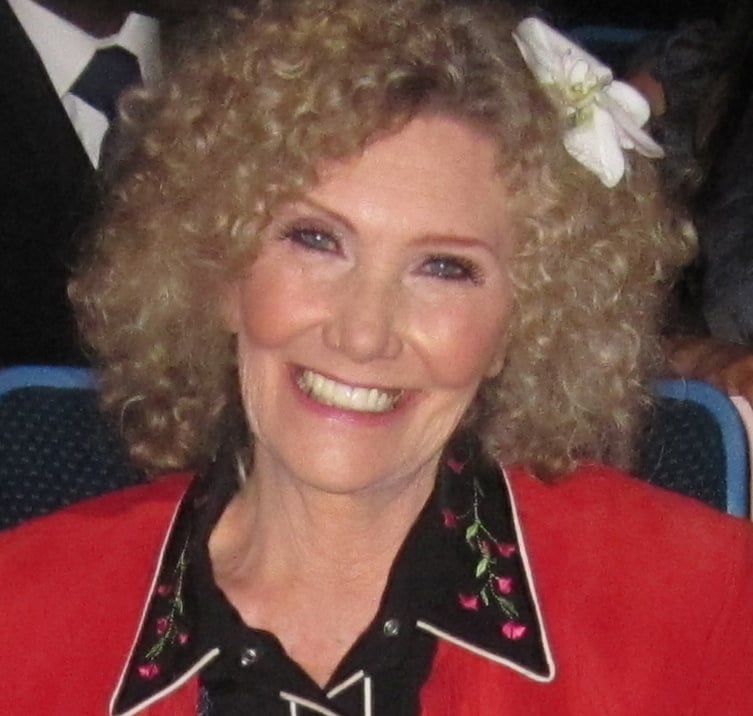
Carole Dean is president and founder of From the Heart Productions; a 501(c)3 non-profit that offers the Roy W. Dean Film Grants and fiscal sponsorship for independent filmmakers.
She is creator and instructor of Learn Producing: The Ultimate Course for Indie Film Production and Filmmaker Acountability Circle. Available on From the Heart’s new Thrive Education Platform for indie filmmakers.
She hosts the weekly podcast, The Art of Film Funding, interviewing those involved in all aspects of indie film production. She is also the author of The Art of Film Funding, 2nd Edition: Alternative Financing Concepts. See IMDB for producing credits